
Understanding Wrist Injuries
Wrist injuries are common and can occur due to accidents, falls, sports activities, or repetitive strain. The wrist is a complex joint made up of bones, ligaments, tendons, and muscles, making it vulnerable to various types of damage. Whether it’s a mild sprain or a severe fracture, proper wrist injury treatment is essential to restore function and prevent long-term complications.
Common Causes of Wrist Injuries
Wrist injuries can happen in everyday situations. One of the most frequent causes is falling onto an outstretched hand, which puts sudden pressure on the joint. Sports such as tennis, gymnastics, and weightlifting also increase the risk of injury. Repetitive movements, especially in jobs involving typing or manual labor, can lead to strain and overuse injuries. Additionally, accidents and direct impacts can result in fractures or ligament tears.
Symptoms of Wrist Injuries
Recognizing the symptoms early can help in faster recovery. Common signs include pain, swelling, bruising, and difficulty moving the wrist. Some people may experience a popping sound at the time of injury. In more severe cases, there may be visible deformity, numbness, or weakness in the hand. Persistent pain or inability to move the wrist should never be ignored and requires medical attention.
Types of Wrist Injuries
There are several types of wrist injuries, each requiring different treatment approaches. A sprain occurs when ligaments are stretched or torn. Fractures involve broken bones and often need more intensive care. Tendinitis is caused by inflammation of the tendons due to overuse. Another common issue is carpal tunnel syndrome, which results from pressure on the median nerve. Identifying the type of injury is crucial for effective treatment.
Initial Wrist Injury Treatment
The first step in wrist injury treatment is immediate care. The R.I.C.E method—Rest, Ice, Compression, and Elevation—is widely recommended. Resting the wrist prevents further damage, while ice helps reduce swelling and pain. Compression using a bandage provides support, and elevating the wrist above heart level minimizes inflammation. This approach is especially effective in the first 24 to 48 hours after injury.
Medical Treatment Options
For moderate to severe injuries, professional medical care is necessary. Doctors may recommend imaging tests such as X-rays or MRIs to diagnose the issue accurately. Treatment may include splinting or casting to immobilize the wrist. Pain relief medications can help manage discomfort. In cases of severe fractures or ligament damage, surgery might be required to restore proper alignment and function.
Wrist Rehabilitation and Exercises
Rehabilitation plays a vital role in wrist injury recovery. Once the initial pain and swelling subside, gentle exercises can help regain strength and flexibility. Stretching and strengthening routines improve mobility and prevent stiffness. Physical therapy may also be recommended for guided recovery. Consistency in performing these exercises is key to achieving full function of the wrist.
Home Remedies for Wrist Pain Relief
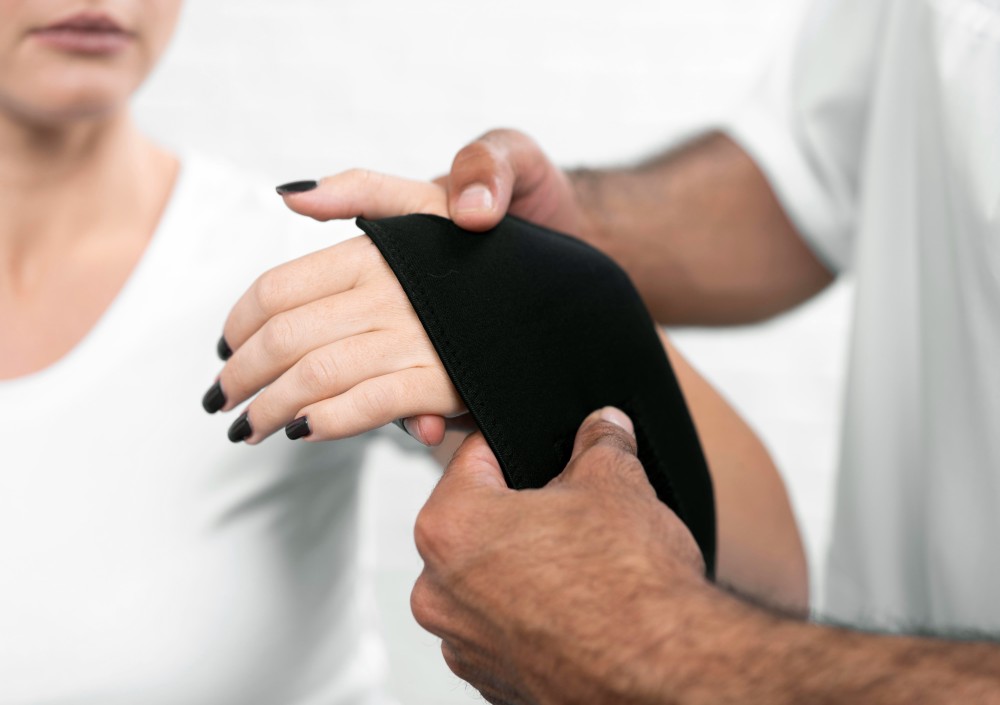
In addition to medical treatment, several home remedies can support healing. Applying warm compresses after the swelling decreases can improve blood circulation. Using a wrist brace provides stability during daily activities. Herbal remedies and anti-inflammatory foods may also help reduce pain naturally. However, these methods should complement, not replace, professional medical advice.
Recovery Time and Healing Process
The recovery time for wrist injuries varies depending on the severity. Mild sprains may heal within a few weeks, while fractures can take several months. Following the prescribed treatment plan is essential for proper healing. Ignoring the injury or returning to activities too soon can delay recovery and increase the risk of re-injury.
Preventing Future Wrist Injuries
Prevention is always better than cure. Wearing protective gear during sports, maintaining proper posture while working, and taking regular breaks during repetitive tasks can reduce the risk of injury. Strengthening exercises for the wrist and forearm muscles also provide added support and stability. Being mindful of movements and avoiding sudden strain can go a long way in protecting the wrist.
When to See a Doctor
While minor injuries can be managed at home, certain symptoms require immediate medical attention. Severe pain, inability to move the wrist, numbness, or visible deformity are signs of a serious condition. Early diagnosis and treatment can prevent complications and ensure a smoother recovery.
Conclusion
Wrist injuries, though common, should never be taken lightly. Proper wrist injury treatment, combined with timely care and rehabilitation, ensures effective healing and restores normal function. By understanding the causes, symptoms, and treatment options, individuals can take proactive steps toward recovery and prevent future injuries.
Frequently Asked Questions (FAQs)
1. How long does it take for a wrist injury to heal?
Healing time varies from a few weeks for minor sprains to several months for fractures.
2. Can I treat a wrist injury at home?
Mild injuries can be treated with rest, ice, compression, and elevation, but severe cases require medical attention.
3. What is the best treatment for a sprained wrist?
The R.I.C.E method, along with proper support and gradual exercises, is effective for sprains.
4. Should I wear a wrist brace all the time?
A wrist brace is helpful during recovery, but prolonged use without guidance may weaken muscles.
5. When should I see a doctor for wrist pain?
If pain persists, worsens, or is accompanied by swelling, numbness, or deformity, consult a doctor immediately.
Take care of your wrist health today for a stronger tomorrow. If you’re experiencing wrist pain or need expert guidance for proper wrist injury treatment, visit us https://orthoxpress.co/services/hand-and-wrist-care/ for professional care and personalized treatment plans. Don’t wait—contact us at (214) 949-8918 now to start your recovery journey and get back to your daily activities pain-free!