
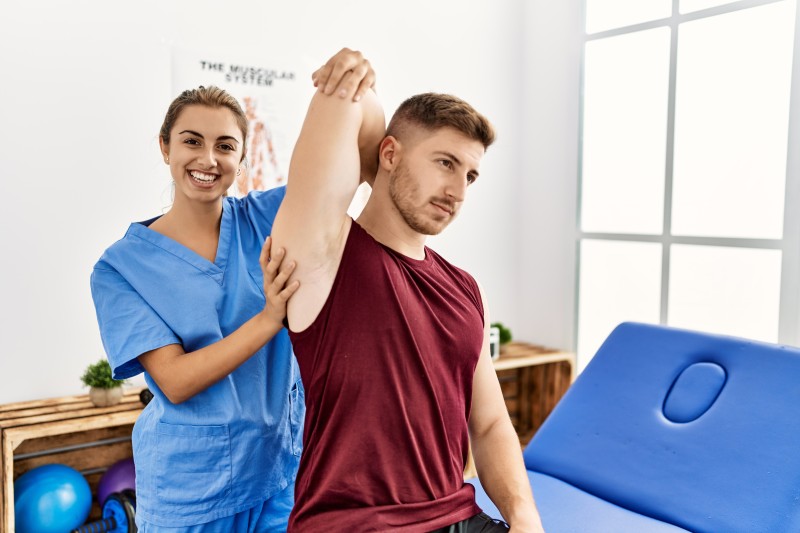
Understanding the Role of a Sports Injury Doctor
A sports injury doctor is a medical professional trained to diagnose, treat, and prevent injuries caused by physical activity. Whether you are a professional athlete, a fitness enthusiast, or someone who enjoys occasional sports, injuries can happen at any time. These doctors specialize in handling conditions like muscle strains, ligament tears, joint pain, and fractures. Their goal is not just to treat the injury but also to help patients regain strength, mobility, and confidence.
Common Types of Sports Injuries Treated
Sports injury doctors handle a wide range of injuries. Some of the most common include sprains, strains, tendonitis, dislocations, and fractures. Knee injuries, such as ACL tears, are particularly common among athletes, while shoulder injuries frequently occur in sports like cricket or tennis. Additionally, overuse injuries like stress fractures and shin splints are also treated by these specialists. Early diagnosis and proper treatment are essential to prevent long-term complications.
Symptoms That Indicate You Need a Sports Injury Doctor
It is important to recognize when you should consult a sports injury doctor. Persistent pain, swelling, reduced mobility, and difficulty in performing regular activities are key warning signs. If you experience sharp pain during movement or notice instability in joints, it is crucial to seek medical attention immediately. Ignoring these symptoms can worsen the condition and lead to chronic problems that may require more intensive treatment later.
Diagnosis and Evaluation Process
A sports injury doctor uses a combination of physical examinations, medical history reviews, and diagnostic imaging such as X-rays, MRIs, or ultrasounds. This comprehensive evaluation helps in identifying the exact cause of the injury. Accurate diagnosis ensures that the treatment plan is tailored to the patient’s specific needs, promoting faster recovery and minimizing the risk of re-injury.
Treatment Options for Sports Injuries
Treatment varies depending on the severity and type of injury. Minor injuries may be treated with rest, ice, compression, and elevation (RICE). More serious injuries may require medications, physical therapy, or even surgical intervention. Sports injury doctors often collaborate with physiotherapists to design rehabilitation programs that restore strength and flexibility. Advanced treatments like platelet-rich plasma (PRP) therapy and minimally invasive procedures are also becoming increasingly popular.
Importance of Rehabilitation and Physical Therapy
Rehabilitation is a critical component of recovery. A sports injury doctor will guide patients through exercises and therapies designed to rebuild strength and improve mobility. Physical therapy not only helps in recovery but also reduces the chances of future injuries. Patients are encouraged to follow their rehabilitation plan diligently for optimal results. Skipping this phase can lead to incomplete healing and recurring injuries.
Injury Prevention Strategies for Athletes
Prevention is always better than cure. Sports injury doctors emphasize the importance of proper warm-ups, stretching, and using the right equipment. Maintaining good physical conditioning, staying hydrated, and following correct techniques during sports activities can significantly reduce the risk of injuries. Regular check-ups with a sports injury specialist can also help in identifying potential issues before they become serious.
Benefits of Consulting a Sports Injury Doctor
Consulting a sports injury doctor offers numerous benefits. These professionals provide specialized care that is tailored to athletes and active individuals. They focus on quick recovery, pain management, and performance improvement. Their expertise ensures that patients receive accurate diagnoses and effective treatments, enabling them to return to their activities safely and confidently.
When to Return to Sports After an Injury
Returning to sports too soon can worsen an injury. A sports injury doctor will assess your recovery progress and determine the right time to resume physical activity. This decision is based on factors such as strength, flexibility, and overall healing. Following the doctor’s advice is crucial to avoid setbacks and ensure long-term health.
Choosing the Right Sports Injury Doctor
Selecting the right doctor is essential for effective treatment. Look for professionals with experience in sports medicine and a proven track record of successful treatments. Consider factors such as qualifications, patient reviews, and the availability of advanced treatment options. A good sports injury doctor will not only treat your injury but also guide you in maintaining overall physical health.
Frequently Asked Questions (FAQs)
1. What does a sports injury doctor do?
A sports injury doctor diagnoses, treats, and prevents injuries related to physical activities, helping patients recover quickly and safely.
2. When should I see a sports injury doctor?
You should consult a doctor if you experience persistent pain, swelling, limited movement, or difficulty performing daily or sports activities.
3. Can sports injuries heal without treatment?
Minor injuries may heal with rest, but proper medical evaluation ensures complete recovery and prevents complications.
4. How long does recovery take for sports injuries?
Recovery time varies depending on the severity of the injury, ranging from a few days to several months.
5. Is physical therapy necessary after a sports injury?
Yes, physical therapy is crucial for restoring strength, flexibility, and preventing future injuries.
Get expert care and recover faster with our experienced sports injury specialists. Don’t let pain hold you back from your active lifestyle. Visit us https://orthoxpress.co/services/sports-medicine/ today for personalized treatment and professional guidance. For appointments and inquiries, contact us at (214) 949-8918 now and take the first step toward a pain-free, active life!