
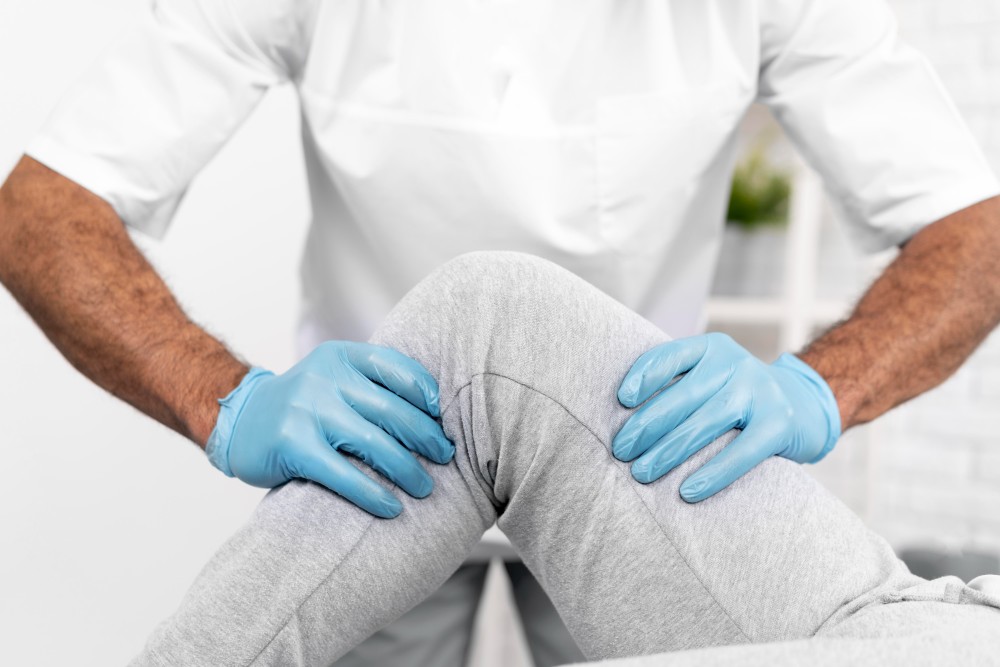
Knee pain is one of the most common orthopedic problems affecting people of all ages, especially older adults and individuals with arthritis or previous knee injuries. While many cases of knee pain can be managed with physical therapy, medications, weight management, and lifestyle changes, there comes a point when conservative treatments are no longer effective. At that stage, knee replacement surgery may offer lasting relief and restore mobility.
Understanding the signs you need knee replacement surgery can help you make an informed decision before chronic pain significantly affects your daily life.
What Is Knee Replacement Surgery?
Knee replacement surgery, also known as knee arthroplasty, is a procedure in which damaged cartilage and bone within the knee joint are replaced with artificial components. The goal is to relieve pain, improve movement, and restore function.
The procedure is commonly recommended for patients with severe osteoarthritis, rheumatoid arthritis, post-traumatic arthritis, or extensive joint damage.
Common Signs You Need Knee Replacement Surgery
1. Persistent Knee Pain That Doesn’t Improve
One of the most obvious warning signs is ongoing knee pain that lasts for months despite treatment. If pain continues even after trying:
- Physical therapy
- Anti-inflammatory medications
- Cortisone injections
- Knee braces
- Rest and exercise modifications
it may indicate advanced joint damage requiring surgical intervention.
2. Difficulty Walking or Standing
If walking even short distances becomes painful or difficult, your knee joint may have deteriorated significantly.
Common symptoms include:
- Limping
- Difficulty climbing stairs
- Needing support while walking
- Inability to stand for long periods
Reduced mobility often affects independence and quality of life.
3. Severe Morning Stiffness
People with advanced knee arthritis often experience stiffness after waking up or sitting for long periods.
If stiffness lasts more than 30 minutes and limits your ability to move comfortably, it may be time to consult an orthopedic specialist.
4. Knee Pain During Rest
Pain that continues even while resting or sleeping is a major indicator of severe joint damage.
Healthy knees typically hurt during activity—not while lying down. Nighttime pain often suggests advanced arthritis requiring surgical evaluation.
5. Swelling That Doesn’t Go Away
Occasional swelling after exercise is normal.
However, chronic swelling that:
- Keeps returning
- Doesn’t improve with ice
- Persists despite medication
may indicate ongoing inflammation and cartilage deterioration.
Deformity or Changes in Knee Shape
As arthritis progresses, the knee can become visibly deformed.
You may notice:
- Bow-legged appearance
- Knock knees
- Uneven walking
- Joint instability
Structural changes often indicate extensive joint wear.
Your Knee Frequently Gives Out
If your knee feels unstable or buckles unexpectedly, damaged cartilage and weakened ligaments may be preventing proper joint support.
Frequent instability increases the risk of falls and injuries.
Daily Activities Become Difficult
One of the biggest indicators for knee replacement surgery is when pain interferes with normal life.
Simple activities such as:
- Shopping
- Cooking
- Driving
- Household chores
- Playing with grandchildren
- Exercising
may become increasingly difficult.
When pain prevents you from enjoying everyday life, surgery may provide significant improvement.
Conservative Treatments No Longer Work
Doctors usually recommend non-surgical treatments first.
These include:
- Physical therapy
- Weight loss
- Pain medications
- Steroid injections
- Hyaluronic acid injections
- Exercise programs
If these options no longer provide relief, knee replacement becomes a reasonable next step.
Advanced Arthritis on X-Rays
Imaging tests often reveal:
- Bone-on-bone contact
- Cartilage loss
- Bone spurs
- Joint narrowing
- Severe osteoarthritis
Your orthopedic surgeon will combine imaging findings with your symptoms before recommending surgery.
Who Is a Good Candidate?
You may benefit from knee replacement surgery if you:
- Have severe knee arthritis
- Experience chronic pain for several months
- Cannot perform daily activities comfortably
- Have significant joint damage
- Have failed conservative treatment
- Are healthy enough for surgery
Age alone is not the deciding factor. Many patients between 50 and 80 years old achieve excellent results.
Benefits of Knee Replacement Surgery
Modern knee replacement surgery has a high success rate.
Potential benefits include:
- Significant pain relief
- Improved mobility
- Better balance
- Increased independence
- Better sleep
- Improved quality of life
- Return to hobbies and low-impact activities
Most patients report substantial improvement within several months after surgery.
Recovery After Knee Replacement
Recovery varies for every patient.
Typical timeline:
First Week
- Walking with assistance
- Physical therapy begins
Weeks 2–6
- Improved mobility
- Reduced swelling
- Increased strength
Months 3–6
- Return to normal daily activities
- Better flexibility
- Less pain
Following your rehabilitation program is essential for the best outcome.
When Should You See an Orthopedic Specialist?
Schedule an orthopedic evaluation if you experience:
- Knee pain lasting longer than three months
- Difficulty walking
- Persistent swelling
- Nighttime pain
- Knee instability
- Limited range of motion
- Poor response to medications or therapy
Early diagnosis allows you to explore all available treatment options before symptoms worsen.
Final Thoughts
Living with chronic knee pain doesn’t have to become your new normal. Recognizing the signs you need knee replacement surgery is the first step toward restoring your mobility and improving your quality of life. If knee pain is preventing you from enjoying daily activities despite conservative treatment, consult an experienced orthopedic specialist to determine whether knee replacement surgery is the right solution for you.
With modern surgical techniques and comprehensive rehabilitation, many patients return to active, pain-free lives and regain the independence they once thought was lost.
Frequently Asked Questions (FAQs)
1. What are the first signs you need knee replacement surgery?
Persistent knee pain, stiffness, swelling, reduced mobility, and difficulty performing daily activities are common early signs.
2. Is knee replacement only for older adults?
No. While it is more common in older adults, younger patients with severe joint damage or arthritis may also benefit.
3. How long does a knee replacement last?
Modern knee replacements typically last 15–20 years or longer with proper care and activity modification.
4. Is knee replacement surgery painful?
Patients experience some discomfort during recovery, but modern pain management techniques help minimize pain, and most people experience significant long-term pain relief.
5. Can I avoid knee replacement surgery?
In many cases, physical therapy, medications, weight management, injections, and lifestyle changes can delay surgery. However, severe joint damage may eventually require replacement.
Don’t let chronic knee pain limit your life. If you’re experiencing persistent discomfort, stiffness, or difficulty walking, schedule an evaluation with an experienced orthopedic specialist today. Early diagnosis and personalized treatment can help you regain mobility, reduce pain, and return to the activities you enjoy.
✔ Expert Orthopedic Care for Lasting Knee Pain Relief
✔ Personalized Treatment Plans for Every Patient
✔ Advanced Diagnostic and Surgical Solutions
✔ Compassionate Care from Experienced Specialists
Visit Us
Visit our orthopedic clinic https://orthoxpress.co/services/hip-and-knee-care/ to receive comprehensive knee evaluations and personalized treatment recommendations from experienced healthcare professionals.
Contact Us
Contact our team (972) 937-8900 today to schedule your consultation and take the first step toward living with less pain and greater mobility. We’re here to help you achieve a healthier, more active lifestyle.