
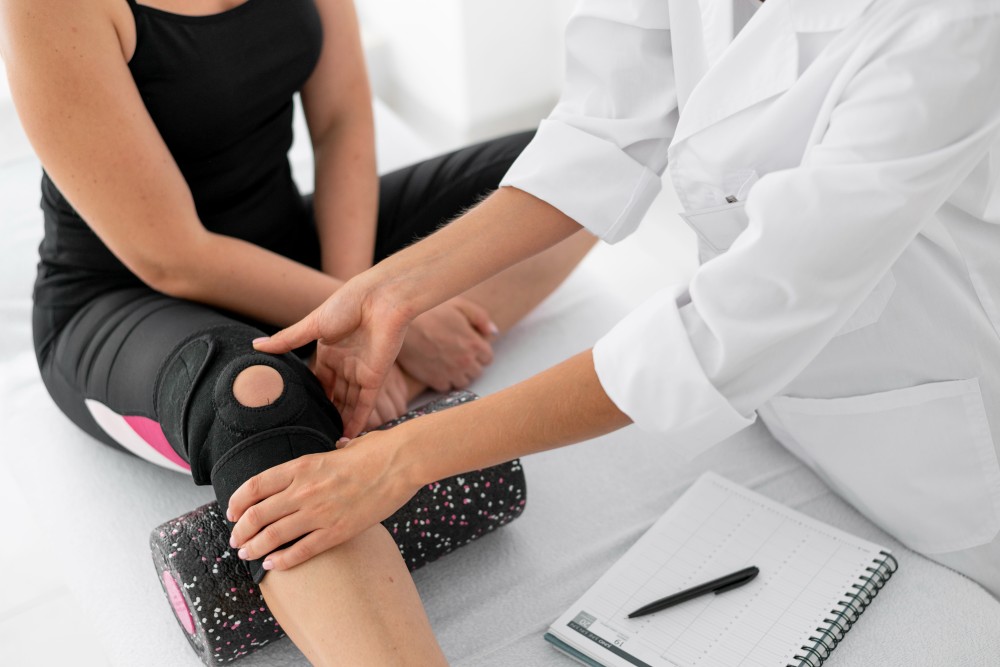
Knee pain is one of the most common orthopedic conditions affecting people of all ages. Whether caused by arthritis, sports injuries, overuse, or age-related wear and tear, persistent knee pain can interfere with daily activities and reduce your quality of life. The good news is that surgery is not always the first or only solution. Today, there are many effective non surgical treatments for knee pain options that can reduce discomfort, improve joint function, and help you return to an active lifestyle.
In this guide, we’ll explore the most effective conservative treatments, who can benefit from them, and when you should seek professional orthopedic care.
What Causes Knee Pain?
Before choosing the right treatment, it’s important to understand the underlying cause of your symptoms. Common causes include:
- Osteoarthritis
- Ligament injuries (ACL, MCL)
- Meniscus tears
- Tendonitis
- Bursitis
- Runner’s knee
- Patellofemoral pain syndrome
- Overuse injuries
- Obesity-related joint stress
An orthopedic specialist can diagnose the exact cause through a physical examination, imaging tests, and your medical history.
Benefits of Non Surgical Treatment for Knee Pain
Many patients experience significant improvement without undergoing surgery. Conservative treatment offers several advantages:
- Lower medical costs
- Faster recovery
- Reduced risk of complications
- Minimal downtime
- Improved mobility
- Better long-term joint health
- Personalized treatment plans
For mild to moderate knee conditions, non-surgical care is often the recommended first step.
Physical Therapy: The Foundation of Recovery
Physical therapy remains one of the most successful non surgical treatment for knee pain options.
A licensed physical therapist develops exercises that strengthen the muscles supporting the knee while improving flexibility and balance.
Benefits include:
- Increased muscle strength
- Improved joint stability
- Better range of motion
- Reduced pain
- Prevention of future injuries
Patients who remain consistent with therapy often notice gradual but lasting improvements.
Weight Management Helps Reduce Knee Stress
Excess body weight places additional pressure on your knee joints. Even losing 10-15 pounds can significantly reduce pain for people with arthritis.
Healthy lifestyle changes include:
- Balanced nutrition
- Regular low-impact exercise
- Portion control
- Increased water intake
Maintaining a healthy weight can slow joint degeneration and improve treatment outcomes.
Medications for Temporary Pain Relief
Doctors may recommend medications to reduce inflammation and relieve discomfort.
Common options include:
- Acetaminophen
- NSAIDs (Ibuprofen, Naproxen)
- Topical pain relief creams
- Anti-inflammatory gels
These medications help control symptoms but should always be used according to medical advice.
Knee Braces and Support Devices
Supportive braces help stabilize the knee while reducing pressure on damaged tissues.
Depending on your condition, your physician may recommend:
- Compression sleeves
- Hinged knee braces
- Patellar stabilizing braces
- Unloader braces for arthritis
Braces are especially beneficial during physical activities or recovery from injury.
Corticosteroid Injections
When inflammation is severe, corticosteroid injections may provide temporary relief.
Benefits include:
- Reduced swelling
- Less pain
- Improved mobility
- Quick treatment
- Outpatient procedure
Relief may last from several weeks to several months depending on the individual.
Platelet-Rich Plasma (PRP) Therapy
PRP therapy has become an increasingly popular non surgical treatment for knee pain.
The procedure involves drawing a small amount of the patient’s blood, concentrating the platelets, and injecting them into the injured knee to stimulate healing.
PRP may help with:
- Tendon injuries
- Mild arthritis
- Ligament injuries
- Chronic knee pain
Many active adults choose PRP because it uses the body’s natural healing properties.
Hyaluronic Acid Injections
For patients with knee osteoarthritis, hyaluronic acid injections help lubricate the joint.
Benefits include:
- Improved cushioning
- Better joint movement
- Reduced friction
- Long-lasting pain relief for some patients
These injections may delay the need for surgery in selected individuals.
Low-Impact Exercise
Exercise is one of the most effective long-term treatments for knee pain.
Recommended activities include:
- Walking
- Swimming
- Cycling
- Yoga
- Water aerobics
- Stretching exercises
Avoid high-impact activities if they worsen your symptoms.
Heat and Cold Therapy
Simple home treatments often provide meaningful relief.
Cold Therapy
Ice reduces:
- Swelling
- Inflammation
- Acute pain
Apply for 15-20 minutes after activity.
Heat Therapy
Heat helps:
- Relax muscles
- Improve circulation
- Reduce stiffness
Warm compresses work well before exercise.
Lifestyle Modifications
Small daily changes can significantly reduce knee pain.
Helpful habits include:
- Wearing supportive shoes
- Avoiding prolonged standing
- Taking movement breaks
- Using proper lifting techniques
- Maintaining good posture
These adjustments protect the knee from unnecessary stress.
When Should You See an Orthopedic Specialist?
Although many people respond well to conservative care, professional evaluation is recommended if you experience:
- Pain lasting more than several weeks
- Knee instability
- Difficulty walking
- Swelling that doesn’t improve
- Limited range of motion
- Pain after an injury
Early diagnosis often prevents worsening joint damage.
Can Surgery Be Avoided?
Many patients successfully manage knee pain without surgery through a combination of:
- Physical therapy
- Weight management
- Exercise
- Injections
- Medications
- Activity modification
- Orthopedic evaluation
Your treatment plan should always be personalized based on the cause and severity of your condition.
Conclusion
Living with knee pain doesn’t necessarily mean surgery is your only option. Modern non surgical treatment for knee pain approaches provide safe, effective, and evidence-based solutions that help relieve pain, improve mobility, and restore everyday function. From physical therapy and lifestyle modifications to advanced injection therapies, conservative treatments continue to help millions of people stay active and healthy.
If you’re experiencing ongoing knee pain, consult an orthopedic specialist for a comprehensive evaluation and a customized treatment plan designed to meet your individual needs.
Frequently Asked Questions (FAQs)
1. What is the best non surgical treatment for knee pain?
Physical therapy, weight management, medications, PRP therapy, and corticosteroid injections are among the most effective treatments, depending on the underlying cause.
2. Can knee pain heal without surgery?
Yes. Many knee conditions improve with conservative treatment, especially when diagnosed early and managed appropriately.
3. How long does non surgical treatment take to work?
Some patients experience relief within a few weeks, while others may require several months of consistent therapy and rehabilitation.
4. Is PRP therapy effective for knee pain?
PRP therapy may help promote healing in certain tendon injuries, ligament damage, and mild osteoarthritis, though results vary between patients.
5. When should I consider surgery?
Surgery may be recommended if conservative treatments fail, severe joint damage is present, or knee instability significantly affects daily life.
6. Can exercise worsen knee pain?
High-impact activities may increase pain, but low-impact exercises such as swimming, cycling, and walking often improve joint function and reduce discomfort.
Find Lasting Relief from Knee Pain Today!
Don’t let knee pain limit your daily activities. Our experienced orthopedic specialists provide personalized non surgical treatment for knee pain using advanced diagnostic tools and evidence-based therapies. Whether you’re dealing with arthritis, sports injuries, or chronic discomfort, we’re here to help you regain mobility and improve your quality of life.
Schedule your consultation today and take the first step toward pain-free movement!
- Restore your mobility with personalized orthopedic care designed for lasting results.
- Visit our clinic for expert evaluation and advanced non-surgical knee pain treatments.
- Don’t ignore persistent knee pain—early treatment leads to better outcomes.
- Contact us today to schedule your orthopedic consultation.
- Let our experienced specialists help you return to an active, pain-free lifestyle.
- Visit us https://orthoxpress.co/services/hip-and-knee-care/ for comprehensive knee pain evaluations and customized treatment plans.
- Call now at (469) 225-0666 to book your appointment and discover non-surgical solutions for lasting relief.