
Introduction
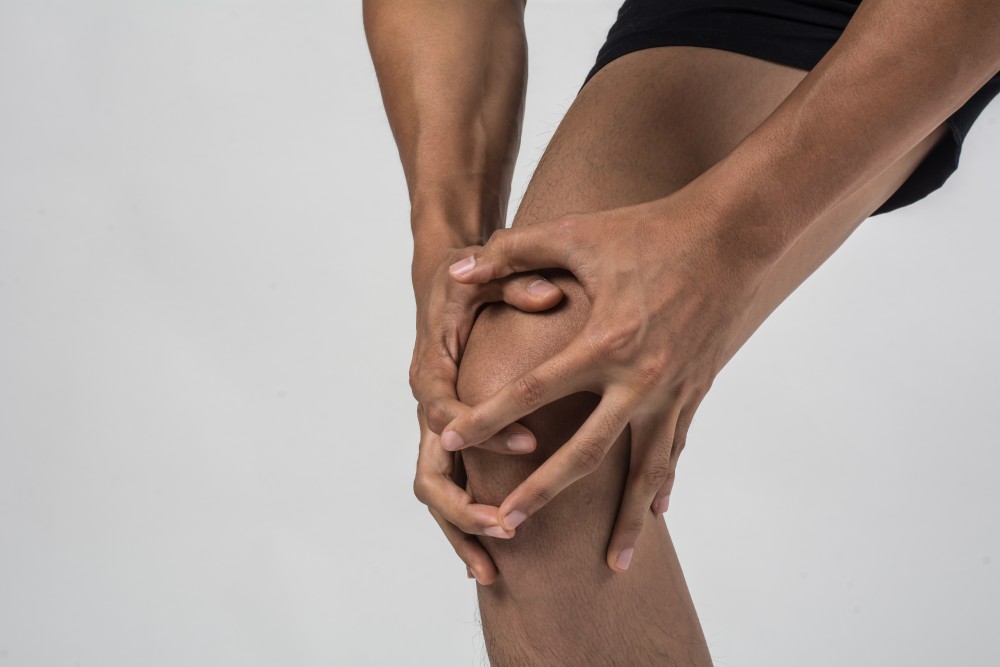
Knee pain can interfere with walking, exercising, climbing stairs, and performing everyday activities. One possible cause is a meniscus tear, a common knee injury that can affect people of different ages. Meniscus tears frequently occur during sports or activities involving twisting movements, but they can also develop gradually as the knee’s cartilage becomes weaker with age.
Understanding meniscus tear symptoms and treatment options can help individuals recognize the injury and seek appropriate medical care. Depending on the severity, location, and type of tear, treatment may involve rest, physical therapy, medication, or surgery.
A qualified orthopedic specialist can evaluate knee symptoms, identify the cause of discomfort, and recommend a treatment plan tailored to the patient’s needs.
What Is a Meniscus Tear?
The meniscus is a C-shaped piece of tough cartilage located between the thighbone (femur) and shinbone (tibia) in each knee. Each knee contains two menisci: the medial meniscus on the inner side and the lateral meniscus on the outer side.
These structures help absorb shock, distribute body weight, improve joint stability, and protect the surfaces of the knee joint.
A meniscus tear occurs when this cartilage becomes damaged. It may happen suddenly during sports, running, or a twisting movement while the foot remains planted. In older adults, age-related changes can make the meniscus more vulnerable to tears during routine activities.
Some tears are minor and improve with nonsurgical treatment, while others may cause persistent pain, swelling, or mechanical problems that require further evaluation.
Common Meniscus Tear Symptoms
Recognizing the symptoms of a torn meniscus is an important step toward receiving appropriate treatment. Symptoms vary depending on the size and location of the tear.
1. Knee Pain
Pain is one of the most common symptoms. It may occur along the inner or outer edge of the knee and can become more noticeable when twisting, squatting, kneeling, or climbing stairs.
2. Swelling and Stiffness
The knee may become swollen within several hours after an injury. Stiffness can develop as inflammation increases, making it difficult to bend or straighten the leg comfortably.
3. Clicking or Popping Sensations
Some people notice clicking, catching, or popping during knee movement. These sensations may occur when a torn piece of cartilage interferes with normal joint motion, although clicking alone does not necessarily indicate a meniscus tear.
4. Difficulty Straightening the Knee
A displaced tear may prevent the knee from fully straightening. If the joint becomes physically locked, prompt medical assessment is important.
5. Knee Instability
Some individuals feel as though their knee may give way when walking, turning, or changing direction. This sensation can also occur with other knee injuries, including ligament damage.
6. Limited Mobility
Pain, swelling, and stiffness may make walking, standing for extended periods, exercising, or participating in sports more difficult.
Seek medical evaluation if knee pain or swelling persists after an injury, particularly if movement becomes restricted.
What Causes a Meniscus Tear?
Meniscus tears can occur through sudden injury or gradual cartilage degeneration.
Common causes include twisting the knee while the foot is planted, making sudden changes in direction during sports, landing awkwardly after jumping, or squatting deeply while carrying weight.
Sports such as football, basketball, tennis, and soccer involve movements that can increase the risk of meniscus injuries.
Age-related wear can also weaken the meniscus. In these cases, a tear may occur during an ordinary movement, such as standing up from a chair.
Previous knee injuries, reduced muscle strength, and activities that place repeated stress on the knee may contribute to injury risk.
How Is a Meniscus Tear Diagnosed?
An orthopedic specialist typically begins by reviewing the patient’s symptoms, medical history, and the circumstances surrounding the injury.
A physical examination may assess tenderness along the joint line, swelling, range of motion, and knee stability. The clinician may perform specific maneuvers to evaluate possible meniscus damage.
Imaging tests may be recommended when appropriate. X-rays can help identify bone-related problems or arthritis, but they do not directly show a meniscus tear. Magnetic resonance imaging (MRI) is commonly used to assess the meniscus and other soft tissues when additional imaging is needed.
The examination findings, imaging results, age, activity level, and associated injuries help determine the most suitable treatment.
Meniscus Tear Treatment Options
Treatment depends on the tear’s characteristics, the patient’s symptoms, and whether other knee structures are injured. Many meniscus tears can initially be managed without surgery.
1. Rest and Activity Modification
Reducing activities that worsen pain can help protect the knee during early recovery. Patients may need to temporarily avoid running, jumping, deep squats, and twisting movements.
Applying an ice pack wrapped in a towel for approximately 15–20 minutes at a time may help relieve swelling and discomfort. Elevating the leg can also help manage swelling.
A healthcare professional may recommend temporary crutches if walking is painful or difficult.
2. Medication for Pain and Inflammation
Depending on the patient’s medical history, a clinician may recommend over-the-counter pain relief or anti-inflammatory medication. These medications are not suitable for everyone, particularly people with certain kidney, stomach, cardiovascular, or bleeding conditions.
Follow professional advice and medication instructions rather than taking pain relievers without considering potential risks.
3. Physical Therapy
Physical therapy can be an important part of meniscus tear treatment. A therapist may develop a program to improve knee movement, strengthen the quadriceps and hamstring muscles, and support joint stability.
Rehabilitation exercises may include gentle range-of-motion movements, controlled strengthening, balance training, and gradual return-to-activity exercises.
The program should be adjusted according to pain, swelling, mobility, and the type of injury. Avoid exercises that cause significant worsening of symptoms.
4. Arthroscopic Meniscus Surgery
Surgery may be considered when symptoms persist despite appropriate nonsurgical care, a tear causes mechanical locking, or the injury has characteristics that make surgical treatment beneficial.
Arthroscopic surgery uses a small camera and specialized instruments inserted through small incisions.
Depending on the tear, the surgeon may perform a meniscus repair, using sutures to help the cartilage heal, or a partial meniscectomy, removing only the damaged portion when necessary.
When possible, preserving meniscus tissue is generally preferred because the meniscus helps protect the knee joint. However, not every tear can be repaired successfully.
5. Recovery and Rehabilitation After Treatment
Recovery varies according to the injury and treatment method. Some people improve over several weeks with nonsurgical treatment and rehabilitation. Recovery after partial meniscectomy may take several weeks, while meniscus repair commonly requires a longer recovery period of several months.
After surgery, patients may need temporary restrictions on weight-bearing, knee bending, and sports participation. Following the surgeon’s rehabilitation plan is essential for protecting the healing tissue.
Returning to sports too early can increase the risk of reinjury.
How to Help Prevent Meniscus Injuries
Although not every meniscus tear can be prevented, certain habits may reduce injury risk.
Warm up before exercise, strengthen the muscles around the knee, practice safe landing techniques, and increase exercise intensity gradually. Use appropriate footwear and maintain good movement technique during sports and strength training.
People with previous knee injuries should follow rehabilitation recommendations and seek guidance before returning to demanding activities.
Maintaining a healthy activity level and managing existing joint conditions may also help support long-term knee health.
When Should You See an Orthopedic Specialist?
Consider scheduling an evaluation if knee pain, swelling, clicking accompanied by pain, or restricted movement continues after an injury.
Seek urgent medical attention if you cannot bear weight, your knee is locked and cannot straighten, or you develop severe swelling or intense pain after an injury. A hot, red knee accompanied by fever also requires prompt medical evaluation.
Early assessment can help identify the cause of symptoms and determine whether conservative treatment, rehabilitation, or surgery may be appropriate.
Conclusion
Meniscus tears are common knee injuries that can cause pain, swelling, stiffness, and difficulty moving the joint. Understanding meniscus tear symptoms and treatment options can help patients make informed decisions about their knee health.
Treatment may include activity modification, ice, appropriate medication, physical therapy, or arthroscopic surgery, depending on the type and severity of the tear. With an accurate diagnosis and an individualized rehabilitation plan, many patients can improve their mobility and return to appropriate daily activities.
If you experience persistent knee pain or suspect a meniscus injury, consult a qualified orthopedic specialist to discuss your symptoms and the most suitable treatment options.
Experiencing knee pain or suspect a meniscus tear? Schedule an appointment with a qualified orthopedic specialist to evaluate your symptoms, understand your treatment options, and develop a personalized plan for recovery. Early assessment can help you take informed steps toward better knee function and mobility.
Frequently Asked Questions (FAQs)
1. What are the first signs of a meniscus tear?
Early symptoms may include knee pain, swelling, stiffness, tenderness along the joint line, and discomfort when twisting or squatting. Some people also experience clicking or catching sensations.
2. Can a meniscus tear heal without surgery?
Yes, some meniscus tears improve with activity modification, physical therapy, and appropriate symptom management. Healing potential depends on the tear’s location, type, blood supply, and severity.
3. How long does a meniscus tear take to heal?
Recovery varies. Nonsurgical treatment may improve symptoms over several weeks, while recovery after meniscus repair may take several months. Your clinician can provide a more specific estimate based on your injury.
4. Can I walk with a torn meniscus?
Some people can walk with a meniscus tear, although pain and swelling may make walking uncomfortable. Avoid forcing movement if you cannot bear weight or your knee feels locked, and seek medical evaluation.
5. Does every meniscus tear require surgery?
No. Many tears can initially be treated without surgery. Surgery may be considered for persistent symptoms, certain repairable tears, or injuries that cause mechanical locking.
Get informed about meniscus tear symptoms and treatment options. Professional orthopedic guidance can help you understand your knee injury and choose an appropriate care plan.
Struggling with knee pain, swelling, or restricted movement? Explore evaluation and treatment options for meniscus injuries with a qualified orthopedic healthcare professional.
Visit us https://orthoxpress.co/services/hip-and-knee-care/ to learn more about orthopedic care, knee injury evaluations, and available treatment options for meniscus tears.
Contact us at (432) 218-7489 today to ask about appointments, knee pain evaluations, and treatment options that may support your recovery.
Take the next step toward improved knee mobility. Seek professional advice about diagnosis, rehabilitation, and safe return to daily activities.
Visit Us and Contact Us Today! Connect with our healthcare team to discuss your knee concerns and learn more about personalized orthopedic care.