
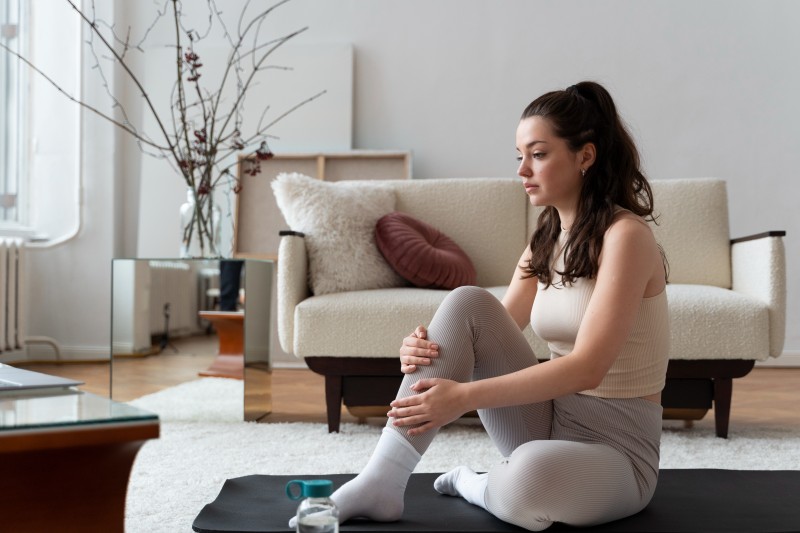
Knee pain is one of the most common musculoskeletal complaints affecting people of all ages. Whether it’s caused by arthritis, sports injuries, overuse, aging, or excess weight, knee discomfort can interfere with daily activities and reduce your quality of life. While severe knee conditions require professional medical treatment, many mild to moderate cases can be managed with natural remedies and healthy lifestyle changes.
If you’re searching for how to relieve knee pain naturally, this guide covers safe, effective, and evidence-based strategies to help reduce pain, improve flexibility, and support long-term joint health.
Why Does Knee Pain Occur?
Understanding the cause of knee pain is the first step toward effective treatment. Common causes include:
- Osteoarthritis
- Rheumatoid arthritis
- Ligament injuries
- Meniscus tears
- Tendon inflammation
- Muscle weakness
- Obesity
- Overuse from sports or repetitive movements
Persistent pain lasting more than a few weeks should always be evaluated by a healthcare professional.
1. Apply Hot and Cold Therapy
One of the simplest natural remedies is alternating between ice and heat.
Cold therapy helps:
- Reduce swelling
- Minimize inflammation
- Numb painful tissues
Apply an ice pack for 15–20 minutes several times daily during the first 48 hours after an injury.
Heat therapy helps:
- Relax stiff muscles
- Improve blood circulation
- Reduce joint stiffness
Use a heating pad or warm towel before stretching or exercising.
2. Maintain a Healthy Weight
Every extra pound of body weight places additional stress on your knees. Losing even a small amount of weight can significantly reduce pressure on the knee joints.
Benefits include:
- Less joint pain
- Improved mobility
- Reduced inflammation
- Lower risk of arthritis progression
A balanced diet combined with regular exercise offers long-term relief.
3. Strengthen the Muscles Around Your Knee
Weak muscles force the knee joint to absorb more impact.
Low-impact strengthening exercises include:
- Straight leg raises
- Wall sits
- Mini squats
- Hamstring curls
- Step-ups
Strong quadriceps, hamstrings, and calf muscles improve stability and reduce pain.
4. Stretch Regularly
Tight muscles often contribute to knee discomfort.
Daily stretching can improve flexibility and reduce stiffness.
Focus on stretching:
- Hamstrings
- Quadriceps
- Calves
- Hip flexors
Hold each stretch for 20–30 seconds without bouncing.
5. Choose Low-Impact Exercise
Staying active is essential for joint health.
Excellent low-impact activities include:
- Walking
- Swimming
- Water aerobics
- Cycling
- Yoga
- Tai Chi
These exercises improve circulation, strengthen muscles, and increase joint flexibility without placing excessive strain on the knees.
6. Eat Anti-Inflammatory Foods
Diet plays an important role in reducing chronic inflammation.
Include foods such as:
- Salmon
- Sardines
- Walnuts
- Chia seeds
- Leafy green vegetables
- Broccoli
- Berries
- Turmeric
- Ginger
- Olive oil
These foods contain antioxidants and omega-3 fatty acids that support joint health.
7. Stay Hydrated
Water keeps cartilage healthy and lubricates your joints.
Aim for adequate daily water intake, especially if you exercise regularly.
Proper hydration may help reduce joint stiffness and improve movement.
8. Try Natural Supplements
Some people find relief using supplements, although results vary.
Popular options include:
- Glucosamine
- Chondroitin
- Turmeric (Curcumin)
- Boswellia
- Collagen peptides
- Omega-3 fish oil
Always consult your healthcare provider before starting supplements, particularly if you take prescription medications.
9. Wear Supportive Footwear
Shoes affect knee alignment more than many people realize.
Choose footwear that offers:
- Good arch support
- Cushioning
- Shock absorption
- Proper fit
Replace worn-out athletic shoes regularly to minimize joint stress.
10. Improve Your Posture
Poor posture can place unnecessary pressure on the knees.
Helpful habits include:
- Standing evenly on both feet
- Avoiding prolonged sitting
- Using ergonomic chairs
- Keeping knees aligned during exercise
Good posture supports healthy movement patterns.
11. Massage Therapy
Gentle massage can:
- Improve circulation
- Reduce muscle tension
- Increase flexibility
- Ease stiffness
Foam rolling and self-massage around the thigh and calf muscles may also provide relief.
12. Practice Mind-Body Techniques
Chronic pain affects both the body and mind.
Relaxation techniques include:
- Deep breathing
- Meditation
- Yoga
- Guided relaxation
Reducing stress may help decrease pain sensitivity and improve overall well-being.
When Should You See an Orthopedic Specialist?
Natural remedies are helpful for mild discomfort, but professional evaluation is recommended if you experience:
- Severe pain
- Swelling that doesn’t improve
- Difficulty walking
- Knee instability
- Locking of the knee
- Pain lasting longer than several weeks
- Fever with joint pain
Early diagnosis can prevent long-term joint damage and improve treatment outcomes.
Preventing Future Knee Pain
Simple daily habits can reduce your risk of knee problems.
Tips include:
- Exercise regularly
- Warm up before workouts
- Stretch after exercise
- Maintain a healthy weight
- Wear supportive shoes
- Avoid sudden increases in activity
- Use proper lifting techniques
- Strengthen your core and leg muscles
These preventive measures help keep your knees healthy for years to come.
Conclusion
Learning how to relieve knee pain naturally begins with understanding its cause and making healthy lifestyle choices. Regular exercise, weight management, anti-inflammatory foods, stretching, supportive footwear, and hot or cold therapy can all contribute to reducing discomfort and improving mobility. While natural remedies can be highly effective for mild to moderate knee pain, persistent or severe symptoms should never be ignored.
If your knee pain limits your daily activities or continues despite home care, consult an orthopedic specialist for a comprehensive evaluation and personalized treatment plan.
Frequently Asked Questions (FAQs)
1. What is the fastest natural way to relieve knee pain?
Rest, ice therapy, gentle stretching, and anti-inflammatory foods can provide quick relief for mild knee pain.
2. Can walking help knee pain?
Yes. Gentle walking strengthens muscles, improves circulation, and supports joint mobility when performed in moderation.
3. Which foods reduce knee inflammation?
Fatty fish, berries, leafy greens, olive oil, turmeric, ginger, and walnuts are known for their anti-inflammatory properties.
4. Is heat or ice better for knee pain?
Ice is best for recent injuries and swelling, while heat works well for stiffness and chronic pain.
5. When should I see a doctor for knee pain?
Seek medical attention if pain is severe, persistent, associated with swelling, instability, or difficulty bearing weight.
Don’t let knee pain stop you from living an active life. Our experienced orthopedic team is committed to providing personalized care, advanced diagnostics, and effective treatment options tailored to your needs. Whether you’re experiencing mild discomfort or chronic knee pain, we’re here to help you regain mobility and improve your quality of life.
Schedule your appointment today and take the first step toward healthier, pain-free knees!
Visit Us
Visit our clinic https://orthoxpress.co/services/hip-and-knee-care/ for expert orthopedic evaluation, personalized treatment plans, and compassionate care designed to keep you moving comfortably.
Contact Us
Contact us at (469) 225-0666 today to book your consultation and discover the best treatment options for lasting knee pain relief. Our friendly team is ready to help you every step of the way.