
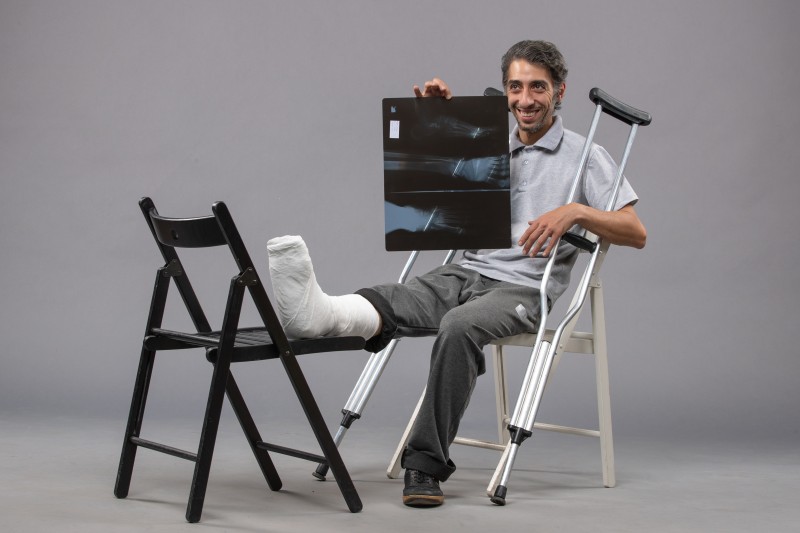
Why See an Orthopedic Doctor After a Car Accident?
A car accident can cause injuries ranging from minor muscle strains to serious damage involving bones, joints, ligaments, tendons, and the spine. Some injuries may be immediately noticeable, while others can develop or become more apparent hours or days after the accident.
An orthopedic doctor specializes in conditions affecting the musculoskeletal system, including bones, joints, muscles, ligaments, tendons, and related structures. If you experience pain or limited movement after an automobile accident, an orthopedic evaluation can help identify the source of your symptoms and determine an appropriate treatment plan.
Seeking medical evaluation after an accident is particularly important when you have persistent pain, swelling, stiffness, weakness, numbness, or difficulty moving an affected body part.
Common Injuries After a Car Accident
The force involved in a collision can affect different parts of the body. Common musculoskeletal injuries include:
1. Whiplash and Neck Injuries
Whiplash can occur when the head and neck move rapidly backward and forward during a collision. It may cause neck pain, stiffness, headaches, reduced range of motion, and tenderness.
Although whiplash is often associated with rear-end collisions, neck injuries can occur in various types of accidents.
2. Back and Spine Injuries
The impact of a collision can place stress on the muscles, discs, joints, and other structures of the spine. Some people experience lower-back pain, while others may develop symptoms extending into the legs.
A healthcare professional can evaluate symptoms and determine whether imaging or additional diagnostic testing is appropriate.
3. Shoulder Injuries
Seat belts, airbags, and the force of impact can contribute to shoulder injuries. Symptoms may include pain, weakness, swelling, stiffness, or difficulty lifting the arm.
Depending on the injury, treatment may involve rest, medication, physical therapy, injections, or other interventions.
4. Knee Injuries
A person’s knees can strike the dashboard or other surfaces during a collision. Sudden force may also affect the ligaments, cartilage, or other knee structures.
Persistent knee pain, swelling, instability, or difficulty walking should be evaluated by a medical professional.
5. Fractures
Car accidents can result in fractures involving the arms, wrists, hands, legs, ankles, ribs, or other bones. Some fractures are obvious, while others may initially appear similar to a sprain or soft-tissue injury.
Diagnostic imaging, such as X-rays or other scans, may be used when a fracture or other structural injury is suspected.
What Does a Car Accident Orthopedic Doctor Do?
A car accident orthopedic doctor evaluates musculoskeletal injuries and develops treatment recommendations based on the patient’s symptoms, physical examination, medical history, and diagnostic findings.
During an appointment, the doctor may ask about how the accident occurred, where you are experiencing pain, when your symptoms started, and whether your symptoms have changed since the collision.
The orthopedic evaluation may include checking your range of motion, strength, reflexes, swelling, tenderness, and other physical findings. Depending on the situation, imaging or additional diagnostic testing may be recommended.
The goal is to identify the injury and develop an individualized treatment plan.
Diagnostic Testing After an Auto Accident
Accident-related injuries may require diagnostic testing to understand what is happening beneath the surface.
Depending on your symptoms, a healthcare provider may recommend:
- X-rays to evaluate bones and possible fractures.
- MRI scans to evaluate certain soft tissues, discs, ligaments, and other structures.
- CT scans to provide detailed images of bones and other areas.
- Other diagnostic procedures when medically appropriate.
Not every patient needs imaging. Your healthcare provider can determine which tests are appropriate based on your symptoms and examination.
Treatment Options for Car Accident Injuries
Treatment depends on the type and severity of the injury. Some patients recover with conservative treatment, while others may require more advanced care.
1. Medication
Depending on the diagnosis and medical history, a healthcare provider may recommend medications to help manage pain and inflammation. Always take medications according to your healthcare provider’s instructions.
2. Physical Therapy
Physical therapy may be recommended to improve strength, flexibility, range of motion, balance, and function after certain injuries.
A physical therapist can develop exercises based on the patient’s condition and stage of recovery.
3. Injections
For selected musculoskeletal conditions, an orthopedic provider may recommend an injection. The type of injection and whether it is appropriate depends on the specific diagnosis.
4. Bracing or Immobilization
Some injuries may require a brace, splint, or other form of support to protect the affected area while it heals.
5. Surgery
More serious injuries, including certain fractures or significant damage to joints or other structures, may require surgical treatment. Surgery is not necessary for every accident-related injury, and an orthopedic specialist can discuss appropriate options based on the diagnosis.
Why Early Evaluation Matters
It can be tempting to ignore pain after a car accident, especially if symptoms initially seem mild. However, some injuries may not become noticeable immediately.
Prompt medical evaluation can help document symptoms, identify potential injuries, and establish an appropriate treatment plan. If symptoms worsen or new symptoms develop, seek medical attention rather than assuming they will resolve on their own.
If you have severe pain, significant weakness, loss of sensation, difficulty breathing, loss of consciousness, or other serious symptoms after an accident, seek emergency medical care.
Your Recovery Plan
Recovery from an auto accident injury can vary significantly from person to person. Factors such as the type of injury, severity, overall health, treatment approach, and adherence to rehabilitation recommendations can affect recovery.
Your orthopedic provider may recommend follow-up appointments to monitor progress and adjust treatment when necessary.
Following your prescribed treatment plan, attending physical therapy when recommended, and avoiding activities that could worsen an injury can support the recovery process.
Choosing an Orthopedic Doctor After a Car Accident
When searching for a car accident orthopedic doctor, consider a provider who evaluates musculoskeletal injuries and can coordinate appropriate diagnostic and rehabilitation services.
It can be helpful to choose a healthcare professional who takes time to understand how the accident occurred, evaluates your symptoms thoroughly, explains the diagnosis, and discusses available treatment options.
If you are experiencing ongoing pain after an automobile accident, don’t ignore your symptoms. A professional evaluation can help determine whether you have an injury requiring treatment.
Conclusion
Car accidents can cause a wide range of orthopedic injuries involving the neck, back, shoulders, knees, hips, arms, legs, and other parts of the musculoskeletal system. Some injuries are immediately apparent, while others may become noticeable later.
A car accident orthopedic doctor can evaluate accident-related musculoskeletal problems, recommend appropriate diagnostic testing, and develop a treatment plan based on your individual condition.
If you have pain, stiffness, swelling, reduced mobility, numbness, or other symptoms following a collision, consider seeking professional medical evaluation. Early assessment can help identify injuries and guide appropriate care.
Frequently Asked Questions (FAQs)
1. When should I see an orthopedic doctor after a car accident?
If you have persistent or worsening musculoskeletal pain, swelling, stiffness, reduced mobility, weakness, or other concerning symptoms after a collision, consider getting evaluated by a healthcare professional.
2. What injuries can an orthopedic doctor treat after a car accident?
Orthopedic doctors treat many musculoskeletal conditions, including fractures, sprains, strains, ligament injuries, tendon problems, joint injuries, and certain spine-related conditions.
3. Can an injury appear days after a car accident?
Yes. Some accident-related symptoms may become noticeable after the initial event. Delayed symptoms should still be discussed with a healthcare professional, particularly if they persist or worsen.
4. Will I need an MRI after a car accident?
Not necessarily. The need for an MRI depends on your symptoms, physical examination, medical history, and suspected diagnosis. Your healthcare provider can determine whether imaging is appropriate.
5. Do all car accident injuries require surgery?
No. Many musculoskeletal injuries can be treated with conservative approaches such as activity modification, medication, physical therapy, or other non-surgical treatments. Surgery may be considered for certain serious injuries.
6. Can physical therapy help after a car accident?
Physical therapy may help certain patients improve mobility, strength, flexibility, and function following an accident-related injury. Your healthcare provider can determine whether physical therapy is appropriate.
7. What should I do if my pain gets worse after the accident?
Contact a healthcare professional for evaluation. If you experience severe or potentially life-threatening symptoms, seek emergency medical care immediately.
8. How long does recovery take after a car accident injury?
Recovery time varies according to the type and severity of the injury and the individual’s response to treatment. Your healthcare provider can provide more specific guidance after evaluating your condition.
Get Professional Care After a Car Accident
Don’t ignore persistent pain or limited movement following a vehicle collision. Getting evaluated by a qualified orthopedic professional can help identify musculoskeletal injuries and determine appropriate treatment options.
Visit us https://orthoxpress.co/services/total-joint-replacement/ for professional evaluation and treatment of accident-related orthopedic injuries.
Contact us today to schedule an appointment and discuss your car accident injury with a qualified healthcare professional.
Experiencing pain after a car accident? Visit us or contact us at (469) 225-0666 today to schedule an orthopedic evaluation and learn about your treatment options.