
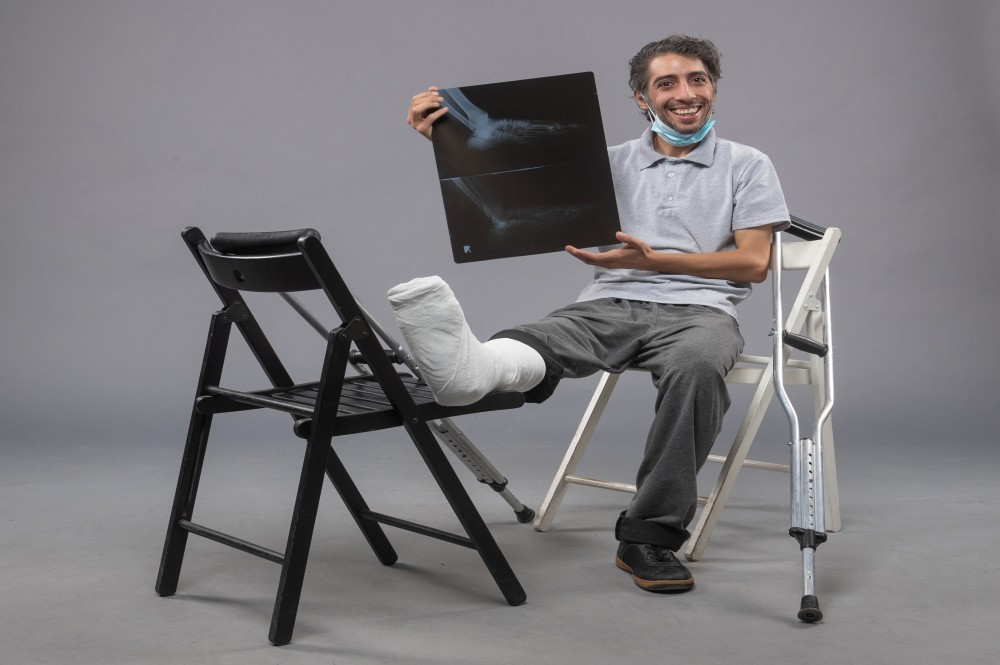
What Is a Broken Bone?
A broken bone, also called a fracture, occurs when a bone is cracked or completely broken because of an injury, accident, fall, sports activity, or significant force. Fractures can range from small cracks to breaks that cause the bone to move out of its normal position. Some broken bones may be treated with immobilization and careful monitoring, while more serious fractures may require surgery.
Getting prompt medical attention is important when a fracture is suspected. Proper diagnosis and treatment can help the bone heal correctly, reduce pain, prevent complications, and support a safe return to normal activities.
Common Causes of Broken Bones
Broken bones can happen to people of all ages. Some common causes include falls, automobile accidents, workplace injuries, sports injuries, and direct blows to the body. Repetitive stress can also cause small cracks known as stress fractures.
Certain factors may increase the risk of fractures. Older adults may have weaker bones, while athletes and physically active individuals may experience fractures because of repetitive activity or high-impact injuries. Conditions that affect bone strength can also contribute to fracture risk.
Symptoms of a Broken Bone
Symptoms can vary depending on the location and severity of the injury. Common signs may include sudden or severe pain, swelling, bruising, tenderness, difficulty moving the affected area, and inability to put weight on an injured leg or foot.
A visible change in the shape or position of a limb can indicate a more serious fracture. In some cases, a broken bone may cause an open wound where the bone has damaged or passed through the skin. Numbness, tingling, pale or bluish skin, or a cold extremity can indicate a circulation or nerve problem and requires immediate medical attention.
If you believe you have broken a bone, avoid putting unnecessary pressure on the injured area and seek professional medical evaluation.
How Are Broken Bones Diagnosed?
Healthcare professionals typically begin by examining the injured area and asking questions about how the injury occurred. They may check swelling, tenderness, movement, circulation, and sensation.
Imaging tests are commonly used to confirm a fracture. X-rays can identify many types of broken bones and help healthcare professionals determine the location and severity of the injury. Depending on the injury, additional imaging such as a CT scan or MRI may sometimes be recommended to provide more detailed information.
A proper diagnosis helps determine the most appropriate treatment and whether the bone needs to be repositioned or stabilized.
Broken Bone Treatment Options
Treatment depends on the type, location, and severity of the fracture, as well as the person’s overall health and activity needs.
1. Immobilization
Many fractures can heal without surgery when the bone remains properly aligned. A cast, splint, brace, or other immobilization device may be used to keep the injured area stable while the bone heals.
Immobilization can also help reduce movement-related pain and protect the fracture from additional injury. The healthcare provider will determine how long immobilization is needed based on the fracture and healing progress.
2. Realignment of the Bone
Some fractures cause the bone fragments to move out of their normal position. In these situations, a healthcare professional may need to realign the bone before it is immobilized. This procedure is called reduction.
Realignment should be performed by a qualified medical professional. Attempting to straighten a suspected fracture yourself can cause additional damage to bones, blood vessels, nerves, or surrounding tissues.
3. Surgery for Broken Bones
Some fractures require surgical treatment. Surgery may be considered when the bone is significantly displaced, the fracture involves a joint, the bone has broken through the skin, or the fracture cannot be adequately stabilized with a cast or brace.
Depending on the injury, surgeons may use plates, screws, rods, pins, or other fixation methods to hold the bone in the proper position while it heals.
4. Pain Management
Pain management is an important part of fracture care. Depending on the injury and individual circumstances, a healthcare professional may recommend appropriate pain-relief measures. Following medical instructions is important, particularly when taking medication after an injury.
Cold packs may sometimes help reduce swelling during the early stages of an injury. A cold pack should be wrapped in a cloth rather than placed directly against the skin.
Recovery After a Broken Bone
Bone healing takes time, and recovery varies depending on the type of fracture, its location, the person’s age and overall health, and the treatment provided.
During recovery, it is important to follow instructions about activity, weight-bearing, immobilization, and follow-up appointments. Returning to sports, heavy lifting, or physically demanding activities too soon may interfere with healing or increase the risk of reinjury.
In some cases, physical therapy may be recommended after immobilization. Rehabilitation can help restore strength, flexibility, balance, range of motion, and normal function.
When Should You Seek Medical Care?
A suspected broken bone should be evaluated by a healthcare professional, particularly when there is significant pain, swelling, deformity, difficulty using the injured body part, or inability to bear weight.
Seek emergency medical attention for an injury involving severe bleeding, an open fracture, loss of sensation, significant numbness, a limb that appears pale or blue, or an extremity that becomes unusually cold. These symptoms may indicate serious damage to blood vessels, nerves, or surrounding tissues.
Do not attempt to push a protruding bone back into place or straighten a severely deformed limb yourself.
How to Help Prevent Fractures
Although not every fracture can be prevented, several healthy habits may support bone health and reduce injury risk. Regular physical activity, appropriate strength and balance exercises, adequate nutrition, and safe practices during sports and work can all be helpful.
Using appropriate protective equipment during athletic activities and following workplace safety procedures can also reduce the risk of traumatic injuries.
Conclusion
Broken bone treatment depends on the type and severity of the fracture. While some fractures can be managed with a splint, cast, or brace, others may require realignment, surgery, or rehabilitation. Prompt professional evaluation is essential for determining the appropriate treatment and reducing the risk of complications.
If you suspect that you or a family member has suffered a fracture, don’t ignore persistent pain, swelling, deformity, or difficulty moving the injured area. A healthcare professional can evaluate the injury and recommend appropriate next steps.
Need evaluation for a suspected broken bone? Visit us for professional medical assessment and fracture care. Our healthcare team can evaluate your injury, determine whether additional diagnostic testing is needed, and help guide you toward appropriate treatment and follow-up care.
Visit us today for medical care, or contact us to learn more about our services and available appointment options.
Frequently Asked Questions (FAQs)
1. What is the best treatment for a broken bone?
The appropriate treatment depends on the location, type, and severity of the fracture. Treatment may include a splint, cast, brace, realignment, surgery, and rehabilitation.
2. How long does a broken bone take to heal?
Healing time varies considerably. Many fractures take several weeks to heal, but more complicated fractures can require longer recovery. Your healthcare provider can give you a more individualized estimate based on the injury.
3. Can a broken bone heal without a cast?
Some fractures may be treated with a brace or splint instead of a traditional cast. The appropriate method depends on the type and stability of the fracture.
4. Can I walk on a broken foot or leg?
You should not put weight on an injured limb unless a healthcare professional has determined that it is safe. Walking on certain fractures can worsen the injury or delay healing.
5. What should I do if I think I broke a bone?
Keep the injured area as still as possible and seek medical evaluation. Avoid trying to straighten or reposition the bone yourself.
Get the right care when an injury happens. Visit us https://orthoxpress.co/services/hand-and-wrist-care/ for broken bone evaluation and fracture treatment.
Don’t ignore severe pain or swelling after an injury. Contact us at (432) 599-9580 today to discuss your care options.
Injured during sports, work, or a fall? Visit us for professional evaluation and guidance.
For questions about broken bone treatment, contact us today or visit us for appropriate medical care.