
Introduction
Knee arthritis is a common condition that can cause pain, stiffness, swelling, and difficulty walking. It may affect everyday activities such as climbing stairs, standing for long periods, exercising, or getting up from a chair. Although severe arthritis can sometimes require surgery, many people can manage their symptoms with conservative treatments and lifestyle adjustments.
Arthritis knee pain treatment without surgery focuses on reducing discomfort, improving joint function, and helping patients maintain an active lifestyle. Options may include physical therapy, appropriate exercise, medications, weight management, supportive devices, and selected injections.
The most suitable treatment depends on the type and severity of arthritis, overall health, activity level, and individual goals. Working with a qualified healthcare professional can help you develop a personalized treatment plan.
What Causes Knee Arthritis Pain?
Knee arthritis occurs when structures within the knee joint become damaged or inflamed. The most common type is osteoarthritis, a degenerative joint condition involving changes to the cartilage and other joint tissues.
As cartilage becomes thinner or damaged, the joint may experience increased stress, resulting in pain and reduced mobility. Inflammatory arthritis, including rheumatoid arthritis, can also affect the knee and may require disease-specific treatment.
Common symptoms include persistent knee pain, stiffness after waking up or sitting for extended periods, swelling, tenderness, reduced range of motion, and a grinding sensation during movement.
Several factors can increase the risk of knee arthritis, including aging, previous knee injuries, excess body weight, family history, and repetitive stress on the joint.
1. Physical Therapy for Knee Arthritis
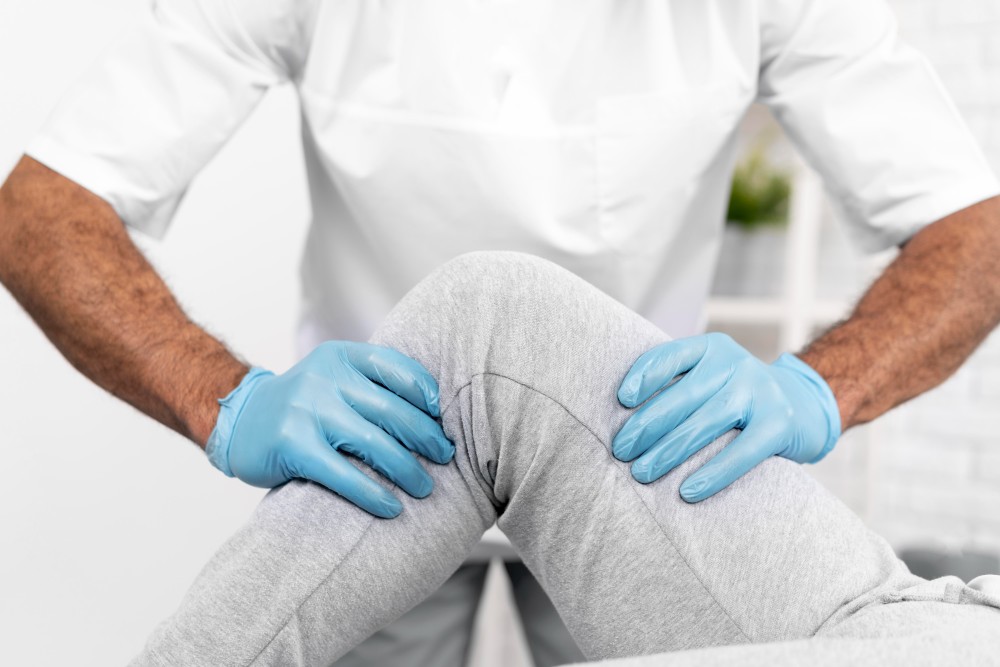
Physical therapy is an important nonsurgical treatment option for knee arthritis. A physical therapist can develop an exercise program designed to improve strength, flexibility, balance, and joint movement.
Strengthening the muscles around the knee, particularly the quadriceps and hip muscles, can improve joint support and make everyday activities easier. Gentle stretching may also help reduce stiffness and improve flexibility.
Physical therapy may include guided exercises, movement training, balance activities, and education about protecting the knee during daily tasks.
A therapist can modify exercises according to pain levels and physical abilities. Consistency is important, but exercises should not cause severe or prolonged worsening of symptoms.
2. Low-Impact Exercise and Regular Movement
Although knee pain may make exercise uncomfortable, appropriate physical activity can help maintain mobility and strengthen the muscles that support the joint.
Low-impact activities often recommended for people with knee arthritis include:
- Walking: Short walks on level surfaces may improve endurance.
- Swimming: Water supports body weight and can make movement more comfortable.
- Water aerobics: Gentle movements in water can improve flexibility and strength.
- Stationary cycling: Properly adjusted cycling can support joint movement with limited impact.
- Gentle range-of-motion exercises: Controlled movements may help reduce stiffness.
Start gradually and adjust the duration and intensity according to your symptoms. If an activity causes significant swelling or persistent pain, stop and consult your healthcare professional.
3. Weight Management to Reduce Knee Stress
For people who are overweight or have obesity, weight management can help reduce the load placed on the knee joints. Even modest weight loss may improve pain and physical function for some individuals with knee osteoarthritis.
A sustainable approach may include balanced meals, appropriate portion sizes, regular low-impact activity, and guidance from a qualified nutrition or healthcare professional.
Weight management should be approached without extreme dieting or unrealistic expectations. The goal is to support joint health, mobility, and overall well-being rather than focus solely on the number on the scale.
4. Medications for Knee Arthritis Pain Relief
Medications can help manage arthritis symptoms and make movement more comfortable. The appropriate choice depends on medical history, other medications, age, and potential side effects.
Topical nonsteroidal anti-inflammatory drugs (NSAIDs), such as diclofenac gel, may help relieve knee osteoarthritis pain while generally causing fewer systemic side effects than oral NSAIDs.
Oral NSAIDs may also reduce pain and inflammation, but they can increase the risk of stomach bleeding, kidney problems, and cardiovascular complications in some people. A healthcare professional should determine whether these medications are appropriate.
Acetaminophen may be considered in selected situations, although its benefits for osteoarthritis pain can be limited. It also carries risks, particularly when taken in excessive amounts or by people with certain liver conditions.
Do not combine medications or exceed recommended doses without professional guidance. Pain relief should be part of a broader treatment plan that also addresses mobility and function.
5. Hot and Cold Therapy
Hot and cold therapy can provide temporary relief from knee arthritis symptoms.
- Heat therapy may help ease stiffness before activity. A warm towel or heating pad used according to product instructions can make the knee feel more comfortable.
- Cold therapy may help reduce pain and swelling, particularly after activity or during a flare-up. Apply a cold pack wrapped in a towel for approximately 15–20 minutes at a time.
Avoid placing ice directly on the skin, and use extra caution if you have reduced sensation or circulation problems. Heat and cold therapy do not reverse cartilage damage, but they may complement other treatments.
6. Supportive Devices and Lifestyle Modifications
Simple changes to daily routines can reduce strain on the knee and make activities more manageable.
Depending on your needs, your healthcare professional may recommend a cane, knee brace, or other supportive device. A cane may help reduce pressure on the affected knee when used correctly, while certain braces may benefit selected patients.
Other practical adjustments include wearing comfortable, supportive footwear, using handrails on stairs, avoiding repeated deep squats when they aggravate symptoms, and alternating periods of activity with rest.
Maintaining regular movement is generally preferable to prolonged inactivity, provided the activities are appropriate for your condition.
7. Injections and Other Nonsurgical Treatments
When exercise, physical therapy, and medications do not provide enough relief, a healthcare professional may discuss injection-based treatments.
Corticosteroid injections can offer short-term pain relief for some patients with knee osteoarthritis. However, their benefits vary, and repeated injections require careful consideration because of potential risks.
Hyaluronic acid injections are sometimes offered, but major clinical guidelines generally do not recommend them routinely because evidence of meaningful benefit is limited or inconsistent.
Platelet-rich plasma (PRP) injections are also available in some settings. Research remains variable, and treatment protocols and evidence quality differ. Patients should discuss uncertainty, costs, potential risks, and alternatives before proceeding.
No injection should be presented as a guaranteed way to restore damaged cartilage or permanently eliminate arthritis.
8. When Should You Consider Surgery?
Nonsurgical treatment can help many people manage knee arthritis, but it does not work equally well for everyone. If pain remains severe, sleep is disrupted, walking becomes difficult, or daily activities are significantly limited despite appropriate conservative care, an orthopedic specialist may discuss surgical options.
The decision depends on symptom severity, imaging findings, overall health, treatment history, and personal goals. Surgery is not automatically necessary simply because an X-ray shows arthritis.
Seek urgent medical assessment if your knee becomes suddenly very swollen, red, or hot, particularly with fever, or if you cannot bear weight after an injury. These symptoms may indicate a condition that requires prompt evaluation.
Conclusion
Arthritis knee pain treatment without surgery offers several options for reducing discomfort and improving everyday movement. Physical therapy, low-impact exercise, weight management, appropriate medication, hot and cold therapy, and supportive devices can all play a role in a personalized care plan.
The best approach depends on the cause of your knee pain, the severity of your symptoms, and your overall health. Early assessment and consistent management can help you make informed decisions about your treatment options.
If knee arthritis is affecting your mobility, consult a qualified healthcare professional to discuss a safe, individualized plan.
Frequently Asked Questions (FAQs)
1. Can knee arthritis be treated without surgery?
Yes. Many people manage knee osteoarthritis with physical therapy, exercise, weight management, medications, and other conservative treatments. Results vary according to the condition’s severity and individual circumstances.
2. What is the best nonsurgical treatment for knee arthritis?
There is no single best treatment for everyone. Therapeutic exercise, strengthening, and weight management when appropriate are important components of knee osteoarthritis care. Medications and other treatments may provide additional relief.
3. Does walking make knee arthritis worse?
Appropriate walking does not necessarily worsen knee arthritis and may help maintain strength and mobility. Begin with manageable distances, use comfortable footwear, and adjust activity if pain or swelling increases.
4. Can knee arthritis pain go away permanently without surgery?
Symptoms may improve substantially with treatment, but osteoarthritis is a chronic condition, and there is currently no established nonsurgical treatment that reliably reverses it. Ongoing management may be necessary.
5. Are knee injections effective for arthritis?
Some injections, particularly corticosteroids, can provide temporary relief for selected patients. The duration and degree of improvement vary, and not all injection treatments have strong
Are you struggling with persistent knee pain, stiffness, or difficulty walking? Explore nonsurgical arthritis treatment options with a qualified healthcare professional. A personalized assessment can help identify the cause of your symptoms and determine whether physical therapy, medication, exercise modification, or another conservative treatment may be appropriate.
Schedule an appointment today to discuss your knee pain, understand your treatment options, and take the next step toward improved mobility.
Visit our clinic https://orthoxpress.co/services/hip-and-knee-care/ to discuss knee arthritis symptoms and learn about conservative treatment options that may help improve comfort and mobility.
Contact us at (432) 322-8675 to ask about appointments, knee pain evaluations, physical therapy referrals, and personalized arthritis management.
Book Your Consultation: Take the first step toward better knee health by scheduling an assessment with a qualified healthcare professional.
Find Support for Knee Pain: Learn about nonsurgical treatment approaches designed to help you stay active and manage arthritis symptoms.
Your Mobility Matters: Get professional guidance on managing knee arthritis and finding a treatment plan that fits your needs.