
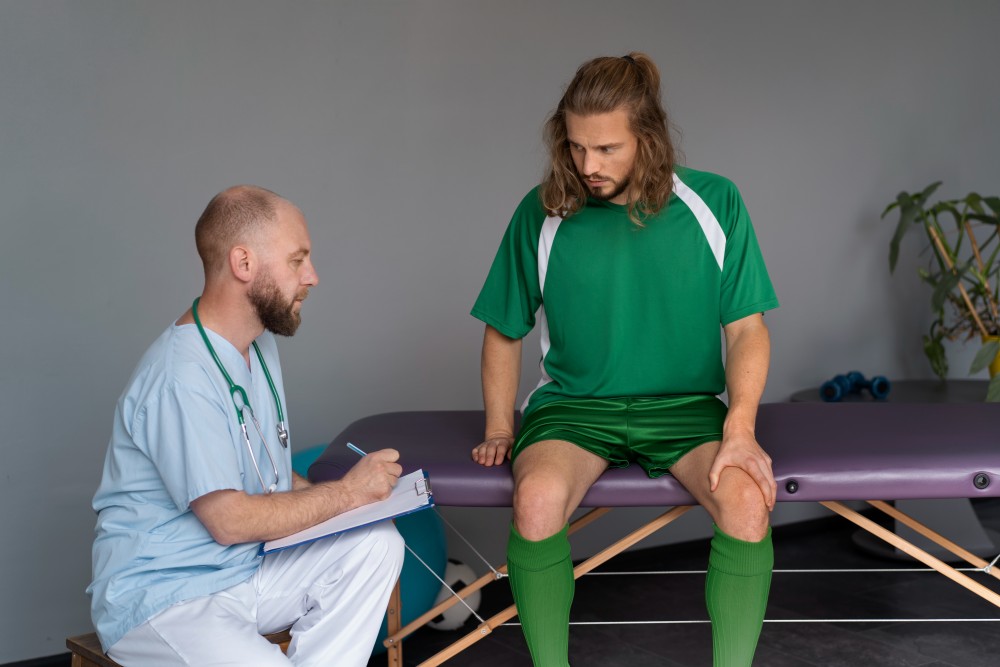
When pain, sprains, or performance limitations threaten an athlete’s routine, having the right medical team becomes essential. Sports medicine physicians play a crucial role in diagnosing, treating, and preventing injuries related to physical activity. Whether you’re a professional athlete, a high school sports enthusiast, a gym-goer, or someone returning to exercise after a break, consulting a sports injury doctor ensures that injuries are treated properly and performance is restored safely. Unlike general physicians, sports specialists have advanced expertise in biomechanics, athletic movement, injury patterns, and recovery techniques that help athletes get back in action faster and stronger.
The Role of Sports Medicine Physicians in Injury Management
The job of sports medicine physicians extends beyond treating injuries. They help athletes understand the causes of pain and weakness, develop individualized treatment plans, and design strategies to prevent repeated damage. When treating conditions like ligament tears, muscle strains, stress fractures, and tendon injuries, these specialists apply evidence-based techniques to promote fast healing. They work closely with trainers, physical therapists, and coaches, ensuring every athlete receives holistic athletic injury treatment that aligns with their performance goals.
How Orthopedic Sports Specialists Restore Strength and Mobility
In cases involving bones, joints, and connective tissues, an orthopedic sports specialist becomes an essential part of the recovery team. These doctors specialize in conditions affecting the knees, shoulders, hips, spine, hands, and feet — areas most vulnerable to sports injuries. Whether an athlete experiences a rotator cuff injury from baseball, ACL tear from soccer, or runner’s knee from track activities, orthopedic specialists offer both surgical and non-surgical interventions based on the severity of the injury. Their priority is always to return athletes to their highest functional level with minimal downtime.
Effective Sports Rehabilitation for Long-Term Recovery
A proper recovery process is just as important as initial medical treatment. A professional sports rehab clinic provides personalized rehabilitation plans through strength correction, mobility training, pain management, and performance-focused conditioning. Therapists make use of advanced techniques such as manual therapy, neuromuscular re-education, gait retraining, dry needling, ultrasound, and sport-specific strengthening routines. Whether you are returning from a shoulder dislocation, shin splints, or a muscle tear, a structured rehab program dramatically reduces the risk of re-injury and helps athletes progress safely.
Sports Performance Medicine and Preventive Care
Prevention is better than cure — especially in sports. Sports performance medicine focuses on optimizing fitness levels, enhancing biomechanics, and reducing injury risk. This branch of sports medicine combines physical evaluations, flexibility testing, motion analysis, nutrition guidance, and strength-conditioning planning. By identifying weaknesses, asymmetry, or improper movement patterns early, performance specialists help athletes fine-tune their technique and avoid future health setbacks. Performance medicine also supports stamina building, faster recovery from fatigue, and better energy balance — all critical factors in competitive sports.
When Should You See a Sports Injury Doctor?
Many athletes delay seeking medical attention, believing pain will subside naturally. However, ignoring persistent discomfort often worsens the condition. You should consult a sports injury doctor if you experience symptoms such as swelling, difficulty moving a limb, sudden weakness, numbness, or pain that appears during activity and does not improve with rest. Early diagnosis prevents chronic problems and allows treatment to start before further damage occurs.
Why Specialized Care Matters for Athletes
Athletes push their bodies beyond ordinary physical limits, and that demands specialized medical supervision. Recovering from an injury without proper guidance may lead to long-term instability, joint weakness, and reduced athletic performance. With the help of sports medicine physicians, orthopedic specialists, and a professional rehab approach, athletes not only recover but return with greater resilience. The combination of timely treatment, targeted rehabilitation, and performance-focused preventive care ensures continued participation in the sports and activities they love.
Frequently Asked Questions (FAQs)
1. What injuries do sports medicine physicians treat?
They treat sprains, fractures, ligament tears, muscle strains, tendonitis, dislocations, stress fractures, cartilage injuries, and overuse injuries.
2. Do I need surgery for a sports injury?
Not always. Many sports injuries heal with conservative care such as physical therapy, bracing, and rest. Surgery is recommended only when necessary.
3. Can recreational athletes visit a sports injury doctor?
Yes. Sports medicine is not only for professional athletes — anyone who exercises or stays active can benefit from specialized treatment.
4. How long does sports rehabilitation take?
Recovery time varies by injury and lifestyle factors. Some injuries heal in weeks, while others require months of structured rehab.
5. Does sports performance medicine help prevent injuries?
Absolutely. Performance medicine improves biomechanics, strength balance, flexibility, and endurance — significantly reducing injury risk.
Don’t let pain slow you down—our sports medicine physicians are here to help you heal stronger. Visit our website https://orthoxpress.co/services/sports-medicine/ and call us at (432) 322-8675 for an appointment.