
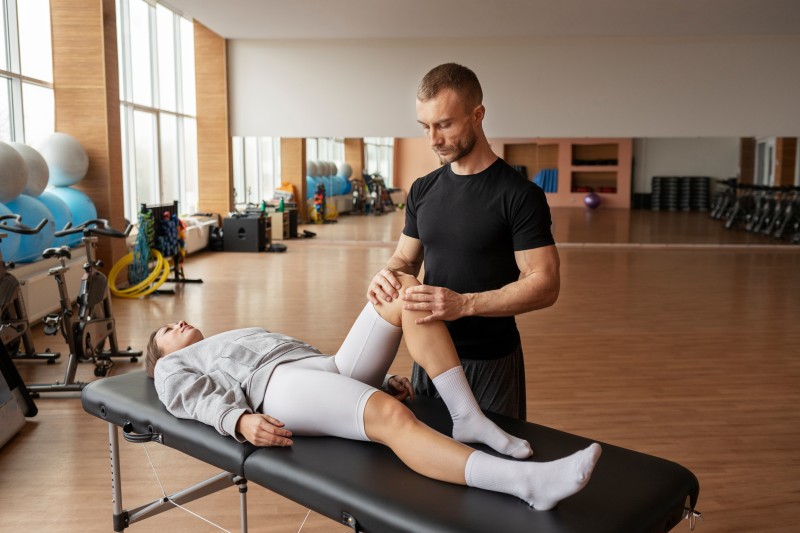
What Is Athletic Injury Treatment?
Athletic injury treatment involves the evaluation, management, and rehabilitation of injuries that occur during sports, exercise, training, or other physical activities. Athletes can experience injuries involving muscles, tendons, ligaments, joints, bones, or other soft tissues. Injuries can range from minor strains and sprains to fractures and more significant problems that require specialized care.
Getting appropriate treatment can help reduce discomfort, restore movement, and support a safe return to normal activities. The right treatment depends on the type and severity of the injury, the athlete’s age, activity level, medical history, and overall health.
Common Athletic Injuries
Athletic injuries can occur suddenly because of an accident or gradually because of repetitive stress. Some of the most common sports-related injuries include sprains, strains, bruises, tendon injuries, and joint problems.
1. Sprains
A sprain occurs when a ligament is stretched or torn. Ankle sprains are particularly common among athletes, but sprains can also affect the knee, wrist, and other joints. Symptoms may include pain, swelling, bruising, and difficulty moving or putting weight on the affected area.
2. Strains
A strain affects a muscle or tendon and may occur when the tissue is overstretched or torn. Hamstring, calf, groin, and lower-back strains are examples that can occur during athletic activities. Treatment depends on the severity of the injury and may include rest, rehabilitation, and other professional recommendations.
3. Tendon Injuries
Tendons connect muscles to bones and can become irritated or injured through repetitive movements or sudden stress. Athletes who repeatedly perform the same movements may develop tendon-related conditions that cause pain and limited function.
4. Knee Injuries
The knee is exposed to significant stress during running, jumping, pivoting, and contact sports. Athletic knee injuries may involve ligaments, cartilage, tendons, or other structures. Persistent knee pain, instability, or swelling should be evaluated by a healthcare professional.
5. Fractures
A fracture is a break or crack in a bone. Some fractures occur following a direct impact or fall, while stress fractures can develop from repetitive loading. Suspected fractures require prompt medical evaluation.
Athletic Injury Treatment Options
Treatment varies according to the injury. A healthcare professional may first perform a physical examination and ask about how the injury happened, symptoms, previous injuries, and activity level. Imaging such as an X-ray or other diagnostic testing may sometimes be recommended.
1. Rest and Activity Modification
Some injuries require temporary modification of physical activity. Continuing to participate in an activity that causes pain may worsen certain injuries or delay recovery. A healthcare professional can help determine which activities should be avoided and when gradual activity can resume.
2. Ice and Other Supportive Measures
For some acute injuries, cold therapy may help temporarily reduce pain and swelling. Compression and elevation may also be recommended in appropriate circumstances. However, these measures are not substitutes for professional evaluation when an injury is severe or symptoms persist.
3. Physical Therapy and Rehabilitation
Rehabilitation can be an important part of athletic injury treatment. Physical therapy may involve exercises designed to improve strength, flexibility, balance, coordination, and range of motion.
A structured rehabilitation program can also help athletes gradually return to their sport while reducing the risk of reinjury.
4. Medication
Depending on the injury and the individual’s health history, a healthcare professional may recommend medications to manage pain or inflammation. Medication should be taken according to professional guidance, particularly when symptoms are persistent or when an athlete takes other medications.
5. Braces, Taping, or Other Support
Certain injuries may benefit from temporary support such as a brace, splint, or athletic tape. These options depend on the affected body part and specific injury. A healthcare professional can advise whether additional support is appropriate.
6. Advanced Treatment
Some athletic injuries may require more specialized treatment. Depending on the diagnosis, this could include targeted rehabilitation, injections, or referral to an orthopedic or sports medicine specialist. Severe injuries may occasionally require surgery.
Why Early Treatment Matters
Ignoring an athletic injury can sometimes lead to prolonged symptoms or additional problems. An athlete may compensate for an injured body part by changing their movement patterns, potentially placing extra stress on other muscles and joints.
Early evaluation can help identify the injury and determine an appropriate management plan. It can also provide guidance about when it is safe to return to training and competition.
Athletes should avoid simply playing through significant pain, particularly when symptoms are getting worse or affecting normal movement.
How to Prevent Athletic Injuries
Although not every sports injury can be prevented, athletes can take steps to reduce their risk.
A proper warm-up before exercise can prepare the body for physical activity. Athletes should also use appropriate equipment and footwear for their sport and maintain good technique.
Strength training, flexibility exercises, adequate recovery, and gradual increases in training intensity can also support injury prevention. Rest days are important because excessive training without adequate recovery may increase the risk of overuse injuries.
Coaches and athletes should also pay attention to persistent pain rather than treating it as something that must simply be tolerated.
When Should You Seek Medical Care?
Professional evaluation is especially important when an injury causes severe pain, significant swelling, visible deformity, inability to bear weight, substantial loss of movement, numbness, or persistent symptoms.
Athletes should also seek medical care when an injury does not improve with appropriate self-care or when pain repeatedly returns after activity.
For head injuries, loss of consciousness, confusion, repeated vomiting, worsening headache, unusual behavior, seizures, or other concerning symptoms require urgent medical attention.
Returning to Sports After an Injury
Returning to sports too quickly can increase the risk of reinjury. The appropriate return-to-play timeline depends on the injury and individual recovery.
A gradual return generally allows the athlete to rebuild strength, mobility, endurance, and confidence before resuming full-intensity activity. Following professional recommendations and completing rehabilitation can help support a safer return to sports.
Dealing with a sports or athletic injury? Don’t ignore persistent pain, swelling, or limited movement. Our healthcare team can evaluate your injury and help you understand your treatment and recovery options.
Visit us for professional evaluation and personalized athletic injury treatment.
Contact us today to schedule an appointment and take the next step toward a safe and effective recovery.
Frequently Asked Questions (FAQs)
1. What is the best treatment for an athletic injury?
The appropriate treatment depends on the type and severity of the injury. Treatment may include activity modification, supportive care, medication, physical therapy, bracing, or specialized treatment when necessary.
2. What are the most common athletic injuries?
Common athletic injuries include sprains, strains, bruises, tendon injuries, knee injuries, ankle injuries, and fractures. Overuse injuries can also develop gradually from repetitive activity.
3. Should I exercise when I have a sports injury?
It depends on the injury. Continuing an activity that causes or worsens pain may interfere with recovery. A healthcare professional can provide guidance about safe activities during recovery.
4. How long does an athletic injury take to heal?
Recovery time varies considerably. A minor injury may improve relatively quickly, while fractures, significant ligament injuries, and some overuse injuries may require a longer period of treatment and rehabilitation.
5. Can physical therapy help with athletic injuries?
Yes. Physical therapy can help improve strength, flexibility, balance, mobility, and function after many types of sports injuries. A rehabilitation plan should be tailored to the individual’s injury and goals.
6. When should I see a doctor for a sports injury?
Seek professional care for severe or worsening pain, significant swelling, inability to bear weight, instability, deformity, numbness, or symptoms that do not improve. Some injuries require prompt evaluation and treatment.
7. How can athletes prevent injuries?
Athletes can reduce injury risk by warming up properly, using appropriate equipment, maintaining strength and flexibility, using proper technique, increasing training gradually, and allowing sufficient recovery between demanding workouts.
8. Can I return to sports as soon as the pain goes away?
Not necessarily. Pain relief does not always mean the underlying injury has fully recovered. A gradual return to activity and professional guidance may be appropriate, particularly after significant injuries.
Stay active and take your recovery seriously. Visit us https://orthoxpress.co/services/auto-injury/ for professional athletic injury treatment and personalized care.
Don’t let a sports injury keep you on the sidelines. Contact us today to discuss your symptoms and treatment options.
From strains and sprains to other athletic injuries, visit us for evaluation and guidance focused on your recovery.
Experiencing pain after sports or exercise? Contact us at (469) 225-0666 today and take the next step toward getting back to the activities you enjoy.
Your health and safe recovery matter. Visit us and contact us for professional care for athletic injuries.