
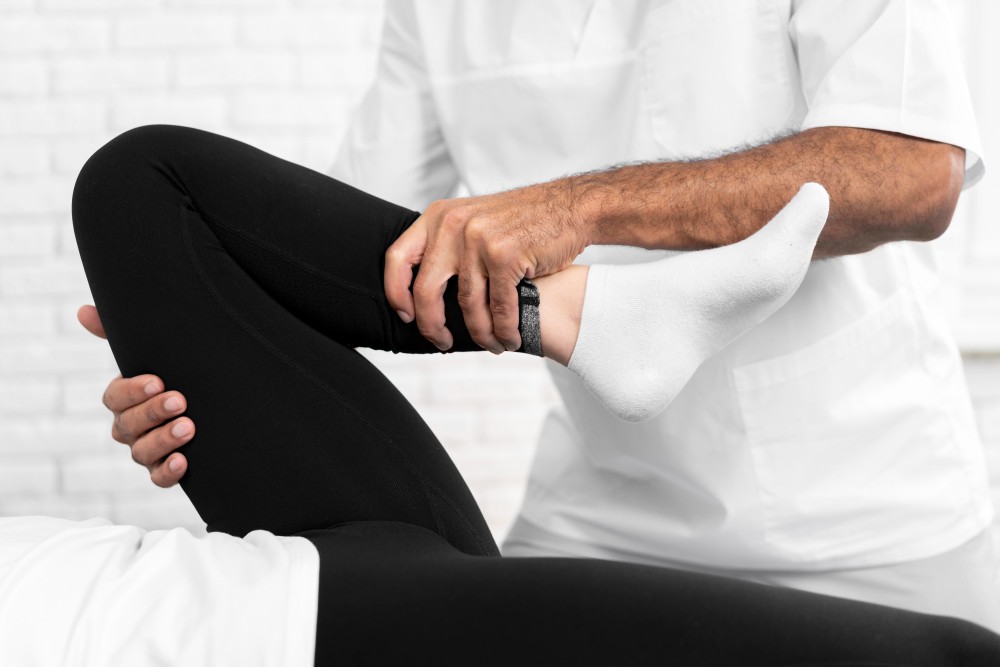
What Is Knee Arthritis?
Knee arthritis is a condition in which the structures within the knee joint become damaged or inflamed, potentially causing pain, stiffness, swelling, and difficulty with movement. The most common type is osteoarthritis, which develops when the protective cartilage within a joint gradually wears down.
The knee is a major weight-bearing joint that helps you walk, climb stairs, stand, and perform everyday activities. When arthritis affects the knee, even simple movements may become uncomfortable.
The severity of symptoms varies from person to person. Some people experience occasional discomfort, while others may have persistent pain and stiffness that interferes with daily activities.
Finding an appropriate arthritis knee treatment plan can help manage symptoms, improve mobility, and support quality of life.
Common Causes and Risk Factors
Knee arthritis can develop for several reasons. Age is an important risk factor because cartilage and other joint structures can change over time. However, arthritis is not exclusively an age-related condition.
Previous knee injuries, repetitive stress, excess body weight, genetics, and certain inflammatory conditions can increase the likelihood of developing knee arthritis.
A previous ligament injury, meniscus injury, or fracture involving the knee may also increase the risk of developing arthritis later.
A healthcare professional can evaluate your symptoms, medical history, activity level, and risk factors to help determine what may be contributing to your knee pain.
Symptoms of Knee Arthritis
Recognizing the symptoms of knee arthritis can help you determine when to seek medical evaluation. Common symptoms may include:
- Knee pain during or after activity.
- Stiffness after sitting or resting.
- Swelling around the knee.
- Reduced range of motion.
- Difficulty walking or climbing stairs.
- A grinding or clicking sensation.
- Tenderness around the joint.
- Pain that becomes more noticeable over time.
Symptoms can fluctuate. Some people experience periods when their knee feels relatively comfortable followed by episodes of increased pain or stiffness.
Persistent or worsening symptoms should be evaluated by a healthcare professional rather than assumed to be a normal part of aging.
How Is Knee Arthritis Diagnosed?
A healthcare provider may begin with a physical examination and discussion of your symptoms. They may ask when your pain started, what activities make it worse, whether you have experienced previous injuries, and whether you have other medical conditions.
Imaging may also be used. X-rays can help identify changes associated with osteoarthritis, while other imaging tests may be recommended in certain circumstances.
The goal of diagnosis is not only to identify arthritis but also to determine whether another condition could be contributing to your knee pain.
Nonsurgical Arthritis Knee Treatment
Many people begin with conservative or nonsurgical treatment. The appropriate approach depends on symptom severity, overall health, activity level, and individual circumstances.
1. Physical Therapy and Exercise
Physical therapy can be an important component of knee arthritis management. A physical therapist can develop exercises designed to improve strength, flexibility, balance, and range of motion.
Strengthening the muscles around the knee can help support the joint and improve functional movement.
Low-impact activities such as walking, swimming, cycling, or water-based exercise may also be appropriate for many people. However, exercise plans should be adjusted according to individual abilities and symptoms.
2. Weight Management
For people who are overweight or have obesity, weight management may help reduce stress on weight-bearing joints. Even modest weight reduction can potentially reduce the mechanical load placed on the knees.
A healthcare professional can help develop a safe approach to nutrition, physical activity, and weight management.
3. Medications
Depending on your health history and symptoms, a healthcare provider may recommend medications to help manage pain and inflammation.
Over-the-counter options may include acetaminophen or nonsteroidal anti-inflammatory drugs (NSAIDs), although these medications are not appropriate for everyone.
Topical medications may also be considered for some people with knee osteoarthritis.
Always discuss medication choices with a healthcare professional, particularly if you have other medical conditions or take prescription medications.
Corticosteroid and Other Knee Injections
For some patients, healthcare providers may consider injections into the knee joint.
Corticosteroid injections may provide short-term pain relief for some people with knee osteoarthritis. The duration and degree of relief can vary.
Other injections, including hyaluronic acid injections, may be discussed depending on individual circumstances and local clinical practice. Evidence regarding the effectiveness of some injection treatments varies, so your healthcare provider can explain potential benefits, limitations, and alternatives.
Assistive Devices and Lifestyle Changes
Some people benefit from using assistive devices or modifying activities that aggravate knee pain. A cane, brace, or other support may be appropriate for certain patients.
Lifestyle adjustments can include taking breaks during activities, using proper techniques when lifting, choosing supportive footwear, and incorporating low-impact exercise into your routine.
It is important to maintain movement when possible because prolonged inactivity can contribute to stiffness and reduced muscle strength.
When Is Surgery Considered?
If knee arthritis causes significant pain and disability despite appropriate nonsurgical treatment, surgery may eventually be considered.
Depending on the specific condition, surgical options can include procedures designed to repair or remove damaged tissue, realign the joint, or replace the damaged knee joint.
Knee replacement surgery may be considered when severe arthritis causes persistent pain and substantial difficulty with everyday activities and other treatments have not provided sufficient relief.
The decision to have surgery should be made after discussing the potential benefits, risks, recovery process, and alternatives with an appropriately qualified healthcare professional.
Managing Arthritis Knee Pain at Home
Along with professional treatment, certain strategies may help manage symptoms at home.
You may benefit from balancing activity with rest, performing recommended exercises, maintaining a healthy weight, and avoiding activities that consistently aggravate your symptoms.
Some people find heat helpful for stiffness, while cold therapy may temporarily reduce pain or swelling after activity.
Do not use home treatments as a substitute for medical evaluation when knee pain is severe, persistent, or worsening.
When Should You See a Healthcare Professional?
Consider seeking medical evaluation if knee pain persists for several weeks, interferes with normal activities, limits your ability to walk, or continues to worsen.
You should also seek prompt medical attention if your knee becomes severely swollen, red, hot, or painful, particularly if these symptoms occur with fever or after a significant injury.
Early evaluation can help identify the cause of knee pain and determine whether arthritis or another condition is responsible.
Conclusion
Knee arthritis can affect mobility, comfort, and everyday activities, but several treatment approaches are available. Depending on the severity of symptoms, arthritis knee treatment may include physical therapy, exercise, weight management, medications, injections, assistive devices, lifestyle modifications, or surgery.
The right treatment plan varies from person to person. A healthcare professional can evaluate your knee, identify contributing factors, and recommend an individualized approach to managing pain and maintaining mobility.
If persistent knee pain is affecting your daily life, seeking professional evaluation can be an important first step toward understanding your treatment options.
Frequently Asked Questions (FAQs)
1. What is the most common treatment for knee arthritis?
Treatment depends on the severity of arthritis and individual health factors. Common approaches include exercise, physical therapy, weight management, medications, and lifestyle modifications. More advanced cases may require injections or surgery.
2. Can knee arthritis be cured?
There is currently no simple cure that reverses osteoarthritis. However, treatment can help manage pain, improve function, and maintain mobility. Treatment is tailored to each person’s symptoms and circumstances.
3. Is walking good for knee arthritis?
Low-impact physical activity can be beneficial for many people with knee arthritis. Walking may help maintain mobility and strengthen supporting muscles, although activity should be adjusted if it significantly increases pain.
4. Can physical therapy help knee arthritis?
Yes. Physical therapy can help improve muscle strength, flexibility, range of motion, balance, and functional movement. A therapist can develop an exercise program based on your needs.
5. When is knee replacement considered?
Knee replacement may be considered when arthritis causes severe, persistent pain and significantly limits daily activities despite appropriate nonsurgical treatment.
6. Are knee injections effective for arthritis?
Some injections can provide pain relief for certain patients. Results vary, and different types of injections have different evidence regarding their effectiveness. Your healthcare provider can discuss whether an injection may be appropriate.
7. Can losing weight help knee arthritis?
For people who are overweight or have obesity, weight loss can reduce the mechanical stress placed on the knees and may improve pain and physical function.
8. What should I do if my knee pain suddenly becomes severe?
Sudden severe knee pain, especially following an injury or accompanied by significant swelling, redness, warmth, fever, or inability to bear weight, should be evaluated promptly by a healthcare professional.
Get Help for Arthritis Knee Pain
Persistent knee pain does not have to be ignored. Professional evaluation can help determine whether arthritis is contributing to your symptoms and identify appropriate treatment options.
Visit us https://orthoxpress.co/services/total-joint-replacement/ to discuss your knee pain, mobility concerns, and available arthritis treatment options.
Contact us at (469) 225-0666 today to schedule an appointment and learn more about personalized care for arthritis and knee pain.
Struggling with arthritis knee pain? Don’t let knee discomfort keep you from the activities you enjoy. Visit us or contact us today to learn about evaluation and treatment options for knee arthritis.