
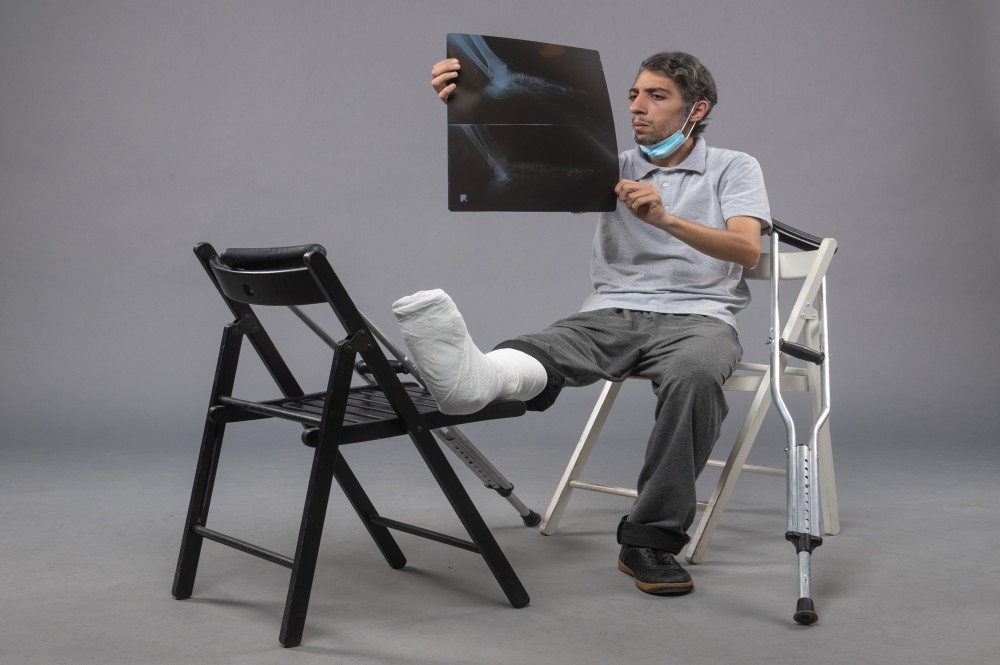
A car accident can happen in seconds, but the resulting pain and injuries may last for weeks or even months. Some injuries are immediately noticeable, while others may develop gradually after the initial shock and adrenaline wear off. If you experience pain, stiffness, swelling, reduced mobility, or other symptoms following a collision, seeing a car accident orthopedic doctor can be an important step toward proper diagnosis and treatment.
Orthopedic doctors specialize in conditions affecting the musculoskeletal system, including the bones, joints, muscles, ligaments, tendons, and spine. After an automobile accident, an orthopedic specialist can evaluate your injuries, determine their severity, and recommend an appropriate treatment plan based on your condition.
Common Orthopedic Injuries After a Car Accident
Vehicle collisions can place significant force on the body. Even a relatively low-speed crash can cause musculoskeletal injuries. Common injuries include neck and back strains, whiplash-related problems, herniated or bulging discs, shoulder injuries, knee injuries, fractures, sprains, and ligament damage.
Neck injuries are particularly common because the head can move suddenly backward and forward during impact. This type of movement can affect the muscles, ligaments, joints, and discs in the cervical spine. Symptoms may include neck pain, stiffness, headaches, and limited range of motion.
Back injuries can also occur when the spine is subjected to sudden force. Depending on the injury, patients may experience lower back pain, muscle spasms, numbness, tingling, or pain that travels into the arms or legs.
Why See an Orthopedic Doctor After a Car Accident?
Not every accident-related injury is obvious immediately after a collision. Some symptoms may appear hours or days later. An orthopedic evaluation can help identify injuries that might otherwise be overlooked.
A car accident orthopedic doctor can perform a physical examination, review your accident history and symptoms, and determine whether diagnostic imaging or additional testing is necessary. Depending on your condition, an orthopedic specialist may use X-rays, MRI scans, CT scans, or other diagnostic tools to better understand the injury.
Early evaluation may also help prevent a minor injury from becoming a long-term problem. Appropriate treatment can address pain, inflammation, mobility limitations, and other symptoms while supporting the body’s healing process.
Signs You May Need an Orthopedic Evaluation
Consider seeking orthopedic care if you develop any of the following symptoms after a vehicle accident:
- Persistent neck or back pain
- Joint pain or swelling
- Difficulty walking or moving normally
- Shoulder, hip, knee, or ankle pain
- Muscle weakness or spasms
- Numbness or tingling
- Reduced range of motion
- Pain that continues or becomes worse
- Suspected fracture or ligament injury
- Pain that interferes with work, sleep, or everyday activities
Even if your symptoms initially seem mild, persistent or worsening pain should not be ignored.
How an Orthopedic Doctor Diagnoses Accident Injuries
Diagnosis generally begins with a detailed discussion about your accident, symptoms, medical history, and physical limitations. Your doctor may examine the affected area, evaluate your range of motion, check strength, and look for signs of swelling or instability.
If additional information is needed, diagnostic imaging may be recommended. X-rays can help identify many fractures and certain bone abnormalities, while MRI or CT imaging can provide more detailed information about soft tissues, discs, and other structures.
The goal is to determine the source of your symptoms and create a treatment plan appropriate for your specific injury.
Treatment Options for Car Accident Injuries
Treatment depends on the type and severity of the injury. Many orthopedic injuries can initially be managed with conservative approaches. These may include activity modification, physical therapy, medications as appropriate, therapeutic exercises, and other non-surgical treatments.
Physical therapy may help restore strength, flexibility, balance, and range of motion. A structured rehabilitation program can also help patients safely return to normal activities.
For more serious injuries, an orthopedic specialist may recommend additional interventions. In certain cases involving significant fractures, severe ligament damage, or spinal problems, surgery may be considered.
Your orthopedic doctor can explain the available options, potential benefits and risks, and expected recovery process.
Why Follow-Up Care Matters
Recovering from a car accident injury is often a process rather than a single appointment. Follow-up visits allow your orthopedic doctor to monitor your progress and determine whether your treatment is working.
If symptoms persist, the treatment plan may need to be adjusted. Following medical recommendations and attending scheduled appointments can help you understand your recovery and identify complications early.
It is also important to communicate openly with your healthcare provider about changes in pain, mobility, strength, or other symptoms.
When Should You Seek Medical Attention?
If you have severe pain, significant swelling, difficulty moving, suspected fractures, or neurological symptoms following a collision, seek medical attention promptly. Emergency symptoms such as loss of consciousness, severe bleeding, difficulty breathing, or sudden weakness require emergency medical evaluation rather than waiting for a routine orthopedic appointment.
For less urgent but persistent musculoskeletal symptoms, scheduling an evaluation with an orthopedic specialist can help determine what is causing your discomfort.
Supporting Your Recovery After an Auto Accident
Your recovery may involve more than simply treating pain. Depending on your injury, you may need rehabilitation, gradual activity progression, lifestyle adjustments, and follow-up assessments.
Follow your healthcare provider’s recommendations and avoid returning to strenuous activity too quickly. Give injured tissues adequate time to recover, and communicate with your medical team if symptoms change.
Keeping records of your medical appointments, diagnoses, treatment recommendations, and symptoms can also help you stay organized throughout the recovery process.
Frequently Asked Questions (FAQs)
1. What does a car accident orthopedic doctor treat?
An orthopedic doctor can evaluate and treat many musculoskeletal injuries associated with car accidents, including fractures, sprains, ligament injuries, joint problems, neck and back injuries, and certain spine-related conditions.
2. Should I see an orthopedic doctor even if my pain is mild?
If pain persists, worsens, or affects your normal activities, an orthopedic evaluation may be appropriate. Some accident-related injuries do not produce significant symptoms immediately.
3. What tests might an orthopedic doctor order?
Depending on your symptoms, an orthopedic specialist may recommend X-rays, MRI scans, CT scans, or other diagnostic tests to evaluate bones, joints, soft tissues, or the spine.
4. Can physical therapy help after a car accident?
Physical therapy can be helpful for many musculoskeletal injuries. A therapist can develop exercises and rehabilitation techniques designed to improve mobility, strength, flexibility, and function.
5. Do car accident injuries always require surgery?
No. Many injuries can be managed with conservative treatment such as physical therapy, medication when appropriate, activity modification, and other non-surgical approaches. Surgery is generally considered when clinically appropriate for more serious injuries or when other treatments are insufficient.
Get Professional Care for Car Accident Injuries
Don’t ignore persistent pain after a vehicle collision. A timely evaluation by a car accident orthopedic doctor can help identify the source of your symptoms and determine an appropriate path toward recovery.
Visit us https://orthoxpress.co/services/cervical-spine-care/ for professional evaluation and orthopedic care after an auto accident. Our team can assess your condition and help you understand the treatment options available for your injury.
Contact us at (432) 314-2028 today to schedule an appointment or learn more about orthopedic care for car accident injuries.
- Injured in a car accident? Visit us for compassionate orthopedic evaluation and personalized injury care.
- Don’t let accident-related pain slow you down—contact us today to discuss your orthopedic care options.
- Visit us for comprehensive evaluation and treatment of accident-related bone, joint, muscle, and spine injuries.
- Contact us today and take the next step toward getting the care you need after a car accident.