
A meniscus tear is one of the most common knee injuries affecting athletes, active individuals, and older adults. The meniscus is a C-shaped piece of cartilage that cushions the knee joint and provides stability during movement. When this cartilage tears due to twisting, sudden impact, or age-related degeneration, it can cause pain, swelling, stiffness, and difficulty walking.
Understanding meniscus tear recovery is essential for restoring knee function and preventing long-term complications. Whether your injury is treated conservatively or requires surgery, following a structured rehabilitation plan significantly improves recovery outcomes.
At Ortho X Press, our experienced orthopedic specialists provide personalized treatment plans designed to help patients recover safely and return to their daily activities with confidence.
What Is a Meniscus Tear?
Each knee contains two menisci—one on the inside (medial) and one on the outside (lateral). These cartilage cushions absorb shock, distribute body weight, and protect the knee joint from excessive wear.
A meniscus tear can occur from:
- Sudden twisting while the foot remains planted
- Sports involving pivoting movements
- Heavy lifting
- Direct trauma to the knee
- Age-related cartilage degeneration
Even simple activities like kneeling or squatting may cause a tear in older adults due to weakened cartilage.
Common Symptoms of a Meniscus Tear
Recognizing the symptoms early can help prevent further damage. Common signs include:
- Knee pain
- Swelling within the first 24–48 hours
- Stiffness
- Difficulty bending or straightening the knee
- Popping sensation during injury
- Knee locking or catching
- Feeling that the knee may give out
- Reduced range of motion
If these symptoms persist for several days, medical evaluation is recommended.
How Is a Meniscus Tear Diagnosed?
An orthopedic specialist typically performs:
1. Physical Examination
The physician evaluates:
- Knee stability
- Tenderness
- Range of motion
- Swelling
- Walking pattern
2. Imaging Tests
Diagnostic imaging may include:
- X-rays (to rule out fractures)
- MRI scans (best for confirming a meniscus tear)
- Ultrasound in selected cases
Accurate diagnosis helps determine the most effective treatment plan.
Meniscus Tear Recovery Timeline
The meniscus tear recovery period depends on the severity of the injury, location of the tear, patient age, activity level, and treatment method.
1. Mild Tears
- Recovery: 4–8 weeks
- Often managed with rest and physical therapy
2. Moderate Tears
- Recovery: 2–3 months
- May require bracing and rehabilitation
3. Surgical Repair
- Recovery: 4–6 months
- Includes structured rehabilitation and gradual return to sports
4. Partial Meniscectomy
- Walking often resumes within days
- Full recovery usually takes 4–8 weeks
Following medical advice and completing rehabilitation exercises are critical for optimal healing.
Non-Surgical Treatment Options
Many patients recover successfully without surgery.
1. RICE Method
The first step includes:
- Rest
- Ice therapy
- Compression
- Elevation
This approach reduces swelling and relieves pain during the early stages of injury.
2. Medications
Doctors may recommend:
- Anti-inflammatory medications
- Pain relievers
- Corticosteroid injections in selected cases
3. Physical Therapy
A customized rehabilitation program strengthens:
- Quadriceps
- Hamstrings
- Hip muscles
- Core stability
Improved muscle strength reduces stress on the injured knee.
4. Knee Bracing
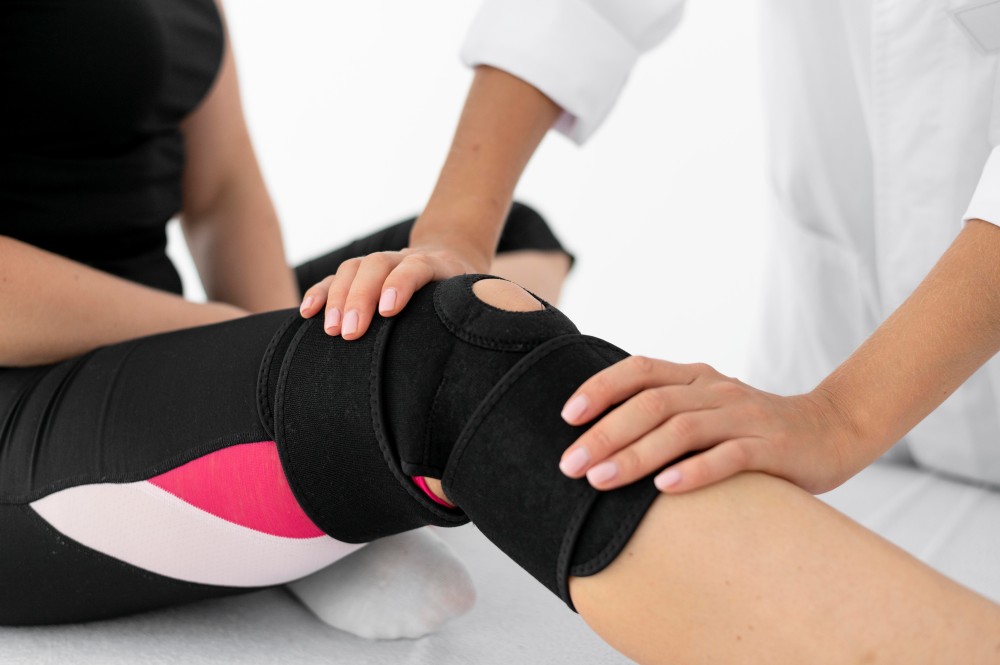
Braces may provide temporary support during healing while limiting movements that worsen the injury.
When Is Surgery Necessary?
Surgery may be recommended when:
- The tear is large
- The knee locks repeatedly
- Conservative treatment fails
- Pain persists for several weeks
- The patient wishes to return to competitive sports
Common surgical procedures include:
1. Meniscus Repair
The surgeon stitches the torn cartilage together, preserving natural knee function.
2. Partial Meniscectomy
Only the damaged portion of the meniscus is removed while preserving healthy cartilage.
The best procedure depends on tear location, age, and overall knee health.
Rehabilitation After Surgery
Successful meniscus tear recovery depends heavily on rehabilitation.
Recovery generally progresses through several stages:
Phase 1: Pain and Swelling Control
Focus includes:
- Ice therapy
- Elevation
- Limited weight bearing
- Gentle range-of-motion exercises
Phase 2: Restoring Motion
Patients begin:
- Controlled stretching
- Knee mobility exercises
- Stationary cycling
- Balance training
Phase 3: Strength Building
Exercises focus on:
- Leg presses
- Squats (when appropriate)
- Hamstring strengthening
- Core exercises
Phase 4: Return to Activity
Patients gradually resume:
- Walking
- Running
- Sports drills
- Agility exercises
Returning too early increases the risk of reinjury.
Tips for Faster Meniscus Tear Recovery
Several lifestyle habits can improve healing:
1. Follow Your Physical Therapy Program
Consistency is one of the most important factors in successful recovery.
2. Avoid High-Impact Activities
Until cleared by your physician, avoid:
- Running
- Jumping
- Pivoting sports
- Heavy lifting
3. Maintain a Healthy Weight
Reducing excess body weight decreases pressure on the knee joint.
4. Eat a Nutrient-Rich Diet
Include foods rich in:
- Protein
- Vitamin C
- Vitamin D
- Calcium
- Omega-3 fatty acids
Proper nutrition supports tissue healing.
5. Stay Patient
Healing cartilage requires time. Following recovery guidelines reduces the chance of future injuries.
Preventing Future Meniscus Injuries
Although not all injuries are preventable, these strategies reduce your risk:
- Warm up before exercise
- Stretch regularly
- Strengthen leg muscles
- Wear supportive footwear
- Improve balance and flexibility
- Increase exercise intensity gradually
- Use proper sports techniques
Regular conditioning helps protect the knee during daily activities and sports.
When Should You See an Orthopedic Specialist?
Seek medical attention if you experience:
- Severe knee pain
- Significant swelling
- Inability to bear weight
- Knee locking
- Recurrent instability
- Persistent symptoms lasting more than a few days
Early diagnosis often leads to faster recovery and better long-term outcomes.
Why Choose Ortho X Press?
At Ortho X Press, our orthopedic experts provide comprehensive care for knee injuries using advanced diagnostic technology and personalized treatment plans. Whether you need conservative treatment, rehabilitation, or minimally invasive surgery, our team focuses on restoring mobility, relieving pain, and helping you return to the activities you enjoy.
Our patient-centered approach emphasizes faster recovery, reduced pain, and long-term joint health.
Conclusion
Recovering from a meniscus tear requires the right combination of medical care, rehabilitation, and patience. While minor tears often heal with conservative treatment, more severe injuries may require surgery followed by several months of rehabilitation. Understanding the meniscus tear recovery process helps patients set realistic expectations and actively participate in their healing journey.
If you’re experiencing persistent knee pain, swelling, or limited mobility, don’t wait. Early evaluation by an orthopedic specialist can prevent further damage and help you regain an active, pain-free lifestyle.
Frequently Asked Questions (FAQs)
1. How long does meniscus tear recovery take?
Recovery ranges from 4–8 weeks for minor tears to 4–6 months after meniscus repair surgery.
2. Can a meniscus tear heal without surgery?
Yes. Many small tears improve with rest, physical therapy, medications, and activity modification.
3. Is walking good during recovery?
Light walking may be recommended after the initial healing phase, but always follow your physician’s advice.
4. What activities should I avoid?
Avoid running, jumping, twisting movements, heavy lifting, and high-impact sports until your doctor clears you.
5. Can I return to sports after a meniscus tear?
Yes. Most patients return to sports after completing rehabilitation and receiving clearance from their orthopedic specialist.
6. What foods help with healing?
A balanced diet rich in lean protein, fruits, vegetables, calcium, vitamin D, and omega-3 fatty acids supports tissue repair and recovery.
Don’t let knee pain limit your lifestyle. If you’re dealing with a meniscus tear or ongoing knee discomfort, schedule an appointment with the orthopedic specialists at Ortho X Press. Our experienced team offers comprehensive diagnosis, advanced treatment options, and personalized rehabilitation plans to help you recover safely and return to the activities you love.
Book your consultation today and take the first step toward a stronger, healthier knee!
- Visit Ortho X Press for expert orthopedic care and personalized meniscus tear treatment.
- Contact our experienced specialists today to schedule your comprehensive knee evaluation.
- Visit us https://orthoxpress.co/services/hip-and-knee-care/ to receive advanced diagnosis, rehabilitation, and minimally invasive treatment options.
- Call us at (432) 322-8675 now and start your journey toward a faster, safer meniscus tear recovery.
- Your mobility matters—visit us today for compassionate orthopedic care and long-term knee health solutions.