
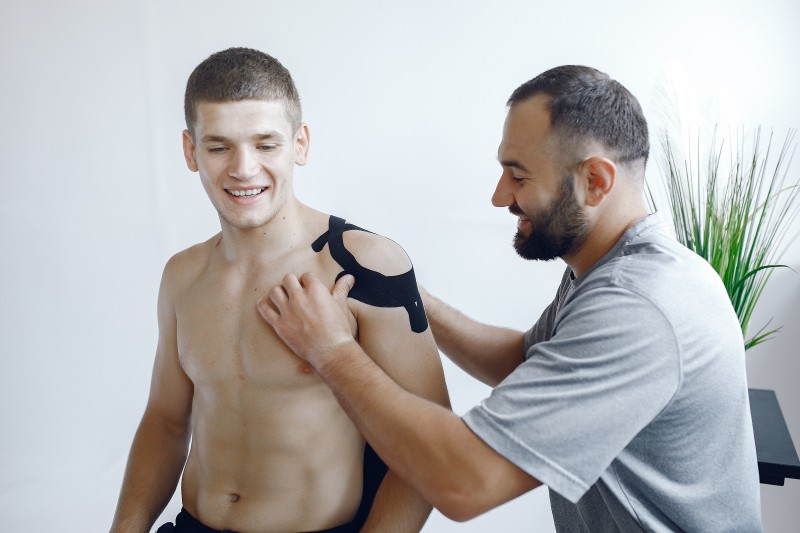
Shoulder pain can significantly affect your daily activities, making simple movements such as lifting, driving, or sleeping uncomfortable. Whether the pain is caused by sports injuries, arthritis, accidents, or repetitive strain, consulting a shoulder surgery specialist is one of the best ways to receive accurate diagnosis and effective treatment. Shoulder specialists focus on restoring mobility, reducing pain, and improving overall quality of life through advanced orthopedic care.
A shoulder joint is one of the most flexible joints in the body, but its complex structure also makes it vulnerable to injuries and wear. From minor tendon inflammation to severe rotator cuff tears, shoulder conditions can worsen over time if left untreated. A professional shoulder surgeon provides personalized treatment plans based on the severity of the condition and the patient’s lifestyle needs.
What Does a Shoulder Surgery Specialist Do?
A shoulder surgery specialist is an orthopedic expert trained in diagnosing and treating shoulder disorders. These specialists use modern imaging techniques, physical evaluations, and minimally invasive procedures to manage both acute and chronic shoulder problems.
Some common conditions treated by shoulder specialists include:
- Rotator cuff tears
- Frozen shoulder
- Shoulder instability
- Shoulder dislocation
- Arthritis of the shoulder joint
- Tendonitis and bursitis
- Labral tears
- Sports-related shoulder injuries
- Fractures and trauma injuries
The goal of treatment is to reduce pain, restore shoulder function, and help patients return to normal activities as quickly as possible.
Common Symptoms That Require Shoulder Specialist Care
Many people ignore shoulder discomfort until it becomes severe. However, early diagnosis can prevent long-term damage. You should consult a shoulder surgeon if you experience:
- Persistent shoulder pain
- Limited range of motion
- Weakness in the arm
- Clicking or grinding sounds
- Difficulty lifting objects
- Pain during sleep
- Swelling around the shoulder
- Shoulder instability or repeated dislocations
A qualified orthopedic shoulder specialist can determine the root cause and recommend the most effective treatment plan.
Causes of Shoulder Injuries
Shoulder injuries can happen for several reasons. Athletes, labor workers, office employees, and elderly individuals are all at risk of developing shoulder problems.
1. Sports Injuries
Athletes involved in baseball, tennis, swimming, cricket, or weightlifting often develop shoulder strain due to repetitive overhead movements. Sports injuries frequently result in tendon tears or joint instability.
2. Aging and Arthritis
As people age, the shoulder joint naturally experiences wear and tear. Arthritis can cause inflammation, stiffness, and chronic pain that may eventually require shoulder replacement surgery.
3. Accidents and Trauma
Falls, vehicle accidents, and workplace injuries can lead to fractures, dislocations, or torn ligaments in the shoulder.
4. Repetitive Motion
Continuous repetitive movement in jobs or daily activities can cause inflammation in the tendons and bursae surrounding the shoulder joint.
Non-Surgical Shoulder Treatments
Not every shoulder condition requires surgery. A shoulder surgery specialist often begins with conservative treatments to relieve symptoms and improve mobility.
1. Physical Therapy
Physical therapy helps strengthen muscles around the shoulder and improves flexibility. It is commonly recommended for mild injuries and post-surgical rehabilitation.
2. Medications
Anti-inflammatory medications and pain relievers help reduce swelling and discomfort.
3. Injections
Corticosteroid injections can provide temporary relief from inflammation and chronic shoulder pain.
4. Lifestyle Modifications
Rest, posture correction, and activity changes can prevent further injury and promote healing.
When non-surgical treatments fail to improve the condition, surgery may become necessary.
Advanced Shoulder Surgery Procedures
Modern orthopedic technology has made shoulder surgery safer and more effective than ever before. A skilled shoulder surgery specialist performs procedures designed to minimize recovery time and improve long-term outcomes.
1. Rotator Cuff Surgery
The rotator cuff consists of muscles and tendons that stabilize the shoulder joint. Tears can occur due to injury or degeneration. Rotator cuff surgery repairs damaged tendons and restores shoulder strength.
2. Shoulder Arthroscopy
Shoulder arthroscopy is a minimally invasive procedure that uses a small camera to diagnose and treat shoulder conditions. This method results in smaller incisions, less pain, and faster recovery.
3. Shoulder Replacement Surgery
Patients with severe arthritis or joint damage may benefit from shoulder replacement surgery. During this procedure, damaged joint surfaces are replaced with artificial components to improve mobility and reduce pain.
4. Labral Repair Surgery
Labral tears are common among athletes and can cause instability and discomfort. Surgical repair restores the shoulder’s structural support.
Benefits of Choosing a Shoulder Surgery Specialist
Seeking treatment from an experienced shoulder specialist offers several advantages.
1. Accurate Diagnosis
Specialists use advanced diagnostic tools to identify the exact source of pain and dysfunction.
2. Personalized Treatment Plans
Every patient receives a customized approach based on age, activity level, medical history, and injury severity.
3. Minimally Invasive Techniques
Modern shoulder surgeries often involve arthroscopic procedures with smaller incisions and shorter recovery times.
4. Faster Recovery
With proper rehabilitation and expert care, many patients return to normal activities more quickly.
5. Long-Term Relief
Professional treatment helps prevent recurring injuries and improves overall shoulder stability.
Recovery After Shoulder Surgery
Recovery depends on the type of surgery performed and the patient’s overall health. Most patients undergo rehabilitation programs that include physical therapy and strengthening exercises.
During recovery, patients should:
- Follow all medical instructions
- Attend therapy sessions regularly
- Avoid heavy lifting initially
- Perform recommended exercises carefully
- Maintain healthy nutrition for healing
Most people experience gradual improvement in pain and mobility over several weeks or months.
How to Choose the Right Shoulder Surgery Specialist
Selecting the right orthopedic surgeon is important for successful treatment outcomes. Consider the following factors:
- Board certification and experience
- Specialization in shoulder procedures
- Positive patient reviews
- Use of advanced technology
- Comprehensive rehabilitation support
- Clear communication and patient education
An experienced shoulder surgery specialist can help patients feel confident and informed throughout the treatment process.
Preventing Shoulder Injuries
Although some shoulder conditions are unavoidable, preventive measures can reduce the risk of injury.
1. Maintain Proper Posture
Poor posture places stress on shoulder muscles and joints.
2. Strengthen Shoulder Muscles
Regular exercises improve stability and reduce strain.
3. Warm Up Before Activities
Stretching and warming up before sports or workouts help prevent injuries.
4. Avoid Overuse
Taking breaks during repetitive activities protects the shoulder joint from excessive stress.
Conclusion
Shoulder pain should never be ignored, especially when it affects your daily routine and mobility. A qualified shoulder surgery specialist can diagnose the problem accurately and provide effective treatment options ranging from physical therapy to advanced surgical procedures.
Early intervention can prevent complications and help patients regain comfort, strength, and flexibility.
Whether you are suffering from sports injuries, arthritis, rotator cuff tears, or chronic shoulder pain, expert orthopedic care can make a significant difference in your recovery journey. Modern shoulder treatments and minimally invasive surgical techniques continue to improve patient outcomes and long-term quality of life.
Frequently Asked Questions (FAQs)
1. When should I see a shoulder surgery specialist?
You should consult a specialist if you experience persistent shoulder pain, weakness, limited motion, swelling, or repeated dislocations.
2. What is the most common shoulder surgery?
Rotator cuff repair surgery is one of the most common procedures performed by shoulder surgeons.
3. Is shoulder arthroscopy painful?
Shoulder arthroscopy is minimally invasive and generally involves less pain and faster recovery compared to traditional surgery.
4. How long does shoulder surgery recovery take?
Recovery varies depending on the procedure but may take several weeks to several months with rehabilitation.
5. Can shoulder pain heal without surgery?
Yes, many mild to moderate shoulder conditions improve with physical therapy, medications, and lifestyle changes.
Visit us https://orthoxpress.co/services/shoulder-and-elbow-care/ today for expert orthopedic care and advanced shoulder pain treatment solutions. Contact us at (432) 218-7489 now to schedule an appointment with a trusted shoulder surgery specialist.