
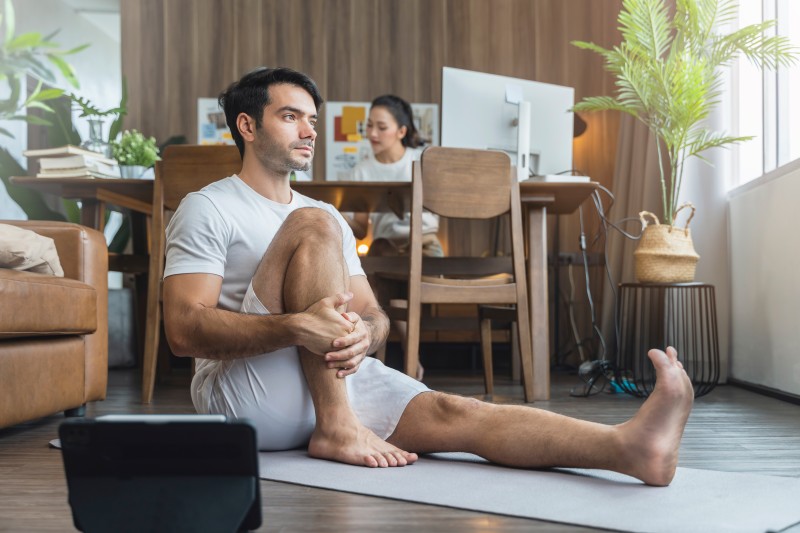
Knee pain is a common issue that affects people of all ages, whether due to injury, overuse, or underlying health conditions. Fortunately, many cases can be managed effectively at home with the right care and techniques. Understanding how to treat knee pain at home can help reduce discomfort, improve mobility, and prevent further complications.
Common Causes of Knee Pain
Before starting treatment, it’s important to identify possible causes. Knee pain may result from:
- Muscle strain or ligament injury
- Arthritis or joint inflammation
- Overuse from physical activity
- Poor posture or body mechanics
- Excess weight putting pressure on joints
Knowing the root cause helps in choosing the most effective home remedies for knee pain.
Rest and Protect Your Knee
One of the first steps in knee pain relief is giving your knee adequate rest. Avoid activities that worsen the pain, such as running or heavy lifting. However, complete inactivity is not recommended—gentle movement helps maintain flexibility.
Using supportive gear like knee braces or compression sleeves can also protect the joint and reduce strain.
Apply Ice and Heat Therapy
Ice and heat therapy are among the most effective natural knee pain treatments.
- Ice therapy: Apply an ice pack for 15–20 minutes to reduce swelling and inflammation.
- Heat therapy: Use a warm compress or heating pad to relax muscles and improve blood flow.
Alternate between ice and heat depending on whether the pain is acute (use ice) or chronic (use heat).
Elevation and Compression
Elevating your knee above heart level helps reduce swelling by improving circulation. Pair this with compression using an elastic bandage to minimize inflammation.
Be careful not to wrap the knee too tightly, as it may restrict blood flow.
Gentle Exercises for Knee Strength
Regular movement is key to long-term knee care. Incorporating knee exercises at home can strengthen muscles and improve joint stability.
Some effective exercises include:
- Straight leg raises
- Hamstring stretches
- Quadriceps strengthening exercises
- Heel slides
Perform these exercises slowly and stop if pain increases. Consistency is more important than intensity.
Maintain a Healthy Weight
Excess body weight puts additional stress on the knee joints, leading to pain and discomfort. Even a small amount of weight loss can significantly reduce pressure on your knees.
Maintaining a balanced diet and staying active can support joint health and prevent future issues.
Use Over-the-Counter Pain Relief
Non-prescription medications such as anti-inflammatory drugs can help manage pain and swelling. While these are useful for short-term relief, they should not be overused without medical advice.
Topical creams and gels can also provide localized relief and are often a safer alternative.
Natural Remedies for Knee Pain
Many people prefer natural methods for joint pain relief. Some effective home remedies include:
- Turmeric: Known for its anti-inflammatory properties
- Ginger: Helps reduce pain and stiffness
- Epsom salt baths: Relax muscles and ease discomfort
- Essential oils: Provide soothing effects when massaged into the knee
These remedies can complement other treatments for better results.
Improve Posture and Movement
Poor posture and incorrect movement patterns can worsen knee pain. Pay attention to how you sit, stand, and walk.
- Keep your back straight while sitting
- Avoid locking your knees while standing
- Use proper footwear with good support
Small adjustments can make a big difference in reducing knee strain.
Stay Active but Avoid Overuse
While rest is important, staying active helps maintain joint flexibility. Low-impact activities such as walking, swimming, or cycling are ideal for people with knee pain.
Avoid high-impact exercises that put excessive pressure on the knees, especially during recovery.
When to Seek Medical Help
Although home treatment is effective for mild to moderate knee pain, certain symptoms require professional care:
- Severe or persistent pain
- Swelling that doesn’t improve
- Inability to bear weight on the knee
- Signs of infection such as redness or warmth
Early diagnosis can prevent long-term complications.
Preventing Future Knee Pain
Prevention is always better than cure. To keep your knees healthy:
- Warm up before exercise
- Stretch regularly
- Wear proper footwear
- Avoid sudden increases in activity level
- Maintain strong leg muscles
These habits can significantly reduce the risk of recurring knee pain.
Conclusion
Learning how to treat knee pain at home can help you manage discomfort effectively and regain mobility without immediate medical intervention. By combining rest, proper exercises, natural remedies, and lifestyle changes, you can achieve lasting knee pain relief. However, if symptoms persist or worsen, seeking professional care is essential for proper diagnosis and treatment.
Frequently Asked Questions (FAQs)
1. What is the fastest way to relieve knee pain at home?
Applying ice, resting the knee, and using compression are the quickest ways to reduce pain and swelling.
2. Can knee pain go away on its own?
Yes, mild knee pain often improves with rest and home care, but persistent pain may require medical attention.
3. Are exercises safe for knee pain?
Yes, gentle and low-impact exercises can strengthen the knee and reduce pain if done correctly.
4. How long should I rest my knee?
Rest for a few days initially, then gradually return to activity with gentle exercises.
5. When should I see a doctor for knee pain?
If pain is severe, lasts more than a few weeks, or affects mobility, consult a healthcare professional.
Take control of your joint health today and don’t let knee pain slow you down. For expert care and personalized treatment options, visit us https://orthoxpress.co/services/hip-and-knee-care/ and get the support you need for lasting relief. Contact us at (214) 949-8918 now to schedule your consultation and start your journey toward pain-free movement!