
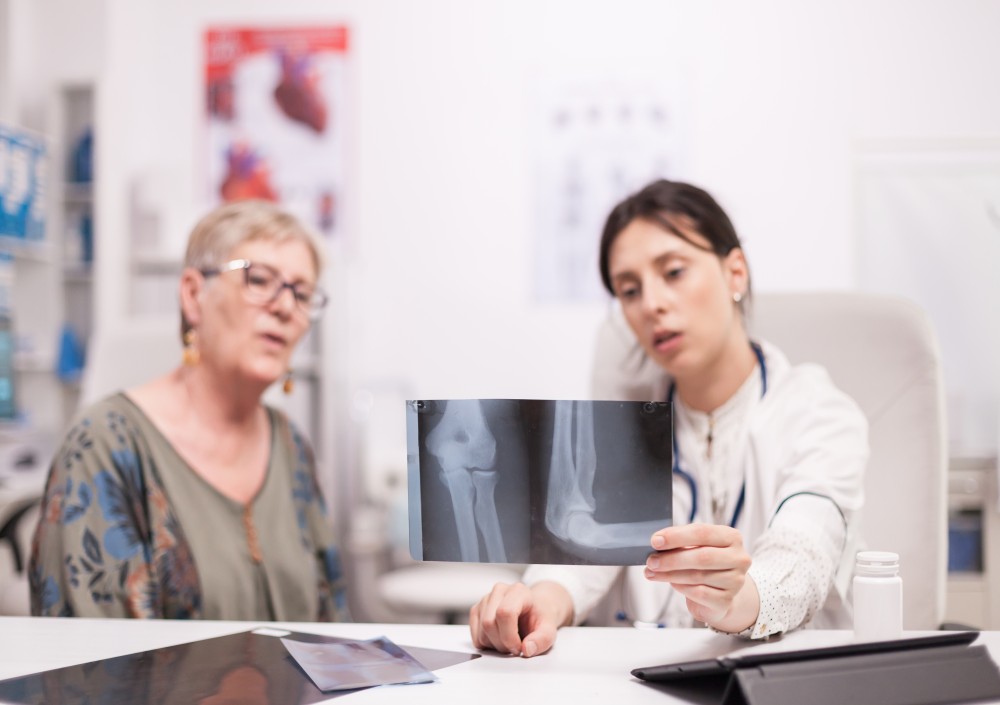
Introduction to Joint Replacement Specialists
A joint replacement specialist is a highly trained medical professional who focuses on diagnosing, treating, and managing joint-related conditions. These specialists primarily deal with issues affecting the knees, hips, shoulders, and other major joints. Whether caused by aging, injury, or chronic conditions like arthritis, joint problems can significantly impact daily life. A specialist ensures accurate diagnosis and provides tailored treatment plans, including surgical and non-surgical options, to restore function and relieve pain.
What Does a Joint Replacement Specialist Do?
A joint replacement specialist evaluates patients suffering from joint pain and mobility issues. They conduct physical examinations, review medical history, and use diagnostic imaging such as X-rays or MRIs to assess the severity of the condition. Based on the findings, they may recommend physical therapy, medications, lifestyle changes, or surgical procedures like total joint replacement. Their goal is to help patients regain independence and improve their overall quality of life.
Conditions Treated by a Joint Replacement Specialist
Joint replacement specialists treat a wide range of conditions that affect the joints. Common conditions include osteoarthritis, rheumatoid arthritis, joint fractures, ligament injuries, and cartilage damage. Chronic joint pain, stiffness, swelling, and limited mobility are key indicators that you may need to consult a specialist. Early intervention can prevent further deterioration and reduce the need for more complex procedures.
Types of Joint Replacement Procedures
Joint replacement procedures are designed to replace damaged joint surfaces with artificial implants. The most common procedures include knee replacement, hip replacement, and shoulder replacement. Knee replacement is often recommended for severe arthritis, while hip replacement is common for patients with hip joint degeneration. Shoulder replacement is typically performed when there is significant joint damage due to injury or wear and tear. These procedures have high success rates and can dramatically improve mobility and reduce pain.
Benefits of Consulting a Joint Replacement Specialist
Consulting a joint replacement specialist offers numerous benefits. Patients receive expert care tailored to their specific condition. Specialists use advanced technology and minimally invasive techniques to ensure quicker recovery and less post-operative pain. Additionally, they provide comprehensive rehabilitation plans to help patients regain strength and mobility. With the right specialist, patients can return to their normal activities and enjoy a better quality of life.
When Should You See a Joint Replacement Specialist?
You should consider seeing a joint replacement specialist if you experience persistent joint pain that does not improve with medication or rest. Difficulty in performing daily activities such as walking, climbing stairs, or bending is another warning sign. Swelling, stiffness, and reduced range of motion are also indicators that medical attention is needed. Early consultation can prevent complications and provide more treatment options.
Advanced Technology in Joint Replacement Surgery
Modern joint replacement procedures have evolved significantly with advancements in medical technology. Specialists now use robotic-assisted surgery, 3D imaging, and minimally invasive techniques to enhance precision and outcomes. These innovations reduce surgical risks, minimize tissue damage, and speed up recovery time. Patients can often return to their normal routine much faster compared to traditional surgical methods.
Recovery and Rehabilitation After Joint Replacement
Recovery after joint replacement surgery is a crucial phase that determines the success of the procedure. A joint replacement specialist will guide patients through a structured rehabilitation program. Physical therapy plays a vital role in restoring strength, flexibility, and mobility. Patients are advised to follow a healthy lifestyle, maintain a balanced diet, and adhere to prescribed exercises to ensure a smooth recovery process.
Choosing the Right Joint Replacement Specialist
Selecting the right joint replacement specialist is essential for successful treatment. Patients should look for a specialist with extensive experience, proper certifications, and a strong track record of successful surgeries. It is also important to consider patient reviews, hospital facilities, and the availability of advanced treatment options. A good specialist will communicate clearly, address concerns, and provide personalized care.
Cost and Accessibility of Joint Replacement Treatment
The cost of joint replacement surgery can vary depending on factors such as the type of procedure, hospital, and location. Many healthcare facilities offer affordable treatment plans and financing options. It is important to discuss all costs upfront and check insurance coverage. Despite the cost, joint replacement surgery is often a worthwhile investment in long-term health and mobility.
Preventing Joint Damage and Maintaining Joint Health
Prevention is always better than cure when it comes to joint health. Maintaining a healthy weight, staying physically active, and following a balanced diet can help prevent joint problems. Regular exercise strengthens muscles and supports joint function. Avoiding injuries and practicing good posture are also important in maintaining joint health. Regular check-ups with a specialist can help detect issues early and prevent complications.
Frequently Asked Questions (FAQs)
1. What is a joint replacement specialist?
A joint replacement specialist is a medical expert who treats joint problems and performs surgeries to replace damaged joints with artificial implants.
2. How do I know if I need joint replacement surgery?
If you experience severe pain, limited mobility, and no relief from medications or therapy, you may need joint replacement surgery.
3. Is joint replacement surgery safe?
Yes, it is a safe and commonly performed procedure with high success rates when done by an experienced specialist.
4. How long does recovery take after joint replacement?
Recovery usually takes a few weeks to a few months, depending on the type of surgery and the patient’s overall health.
5. Can I return to normal activities after surgery?
Yes, most patients can return to normal daily activities after proper rehabilitation and recovery.
Take the first step toward a pain-free life today. Visit us https://orthoxpress.co/services/total-joint-replacement/ to consult an experienced joint replacement specialist and explore advanced treatment options tailored to your needs. Contact us at (214) 949-8918 now to schedule your appointment and begin your journey to better mobility and improved health.