
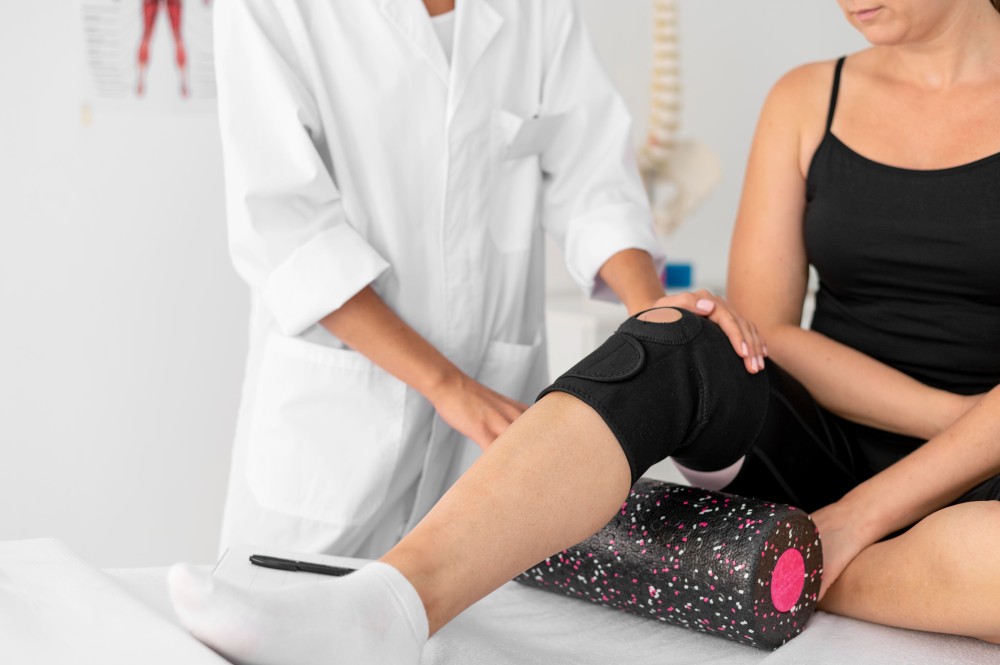
Orthopedic joint replacement is a powerful surgical treatment designed to alleviate severe joint pain and repair mobility. It is commonly endorsed for patients suffering from severe arthritis, joint degeneration, or annoying injuries that have not answered to conservative treatments. Over the past decade, upgrades in minimally invasive joint surgical treatment strategies have had superior consequences, notably with hassle prices referred to as 1–1. Five percent in hundreds of current scientific facilities.
Joint ache may have an impact on each day’s activities, consisting of taking walks, mountaineering stairs, or perhaps smooth movements. When medicinal pills, physical therapy, and way of life changes fail, orthopedic joint replacement becomes a dependable, long-term answer.
What is orthopedic joint replacement?
Orthopedic joint replacement involves casting off broken cartilage and bone from a joint and changing it with artificial components crafted from steel, ceramic, or durable plastic. These implants are designed to imitate herbal joint movement.
The most unusual kinds include:
- Knee Replacement Surgery
- Hip Replacement Surgery
- Shoulder Replacement
- Total Joint Replacement
These techniques are finished with the aid of a specialized orthopedic medical doctor who evaluates the affected person’s state of affairs and recommends the most appropriate treatment plan.
Who Needs Orthopedic Joint Replacement?
Patients experiencing the subsequent symptoms and signs and symptoms may additionally, moreover, require orthopedic joint replacement:
- Severe joint pain that limits day-to-day sports
- Chronic stiffness and swelling
- Reduced kind of motion
- Pain, even ultimately, is rest
- Failure of non-surgical joint pain treatment
Conditions mainly related to joints possibly regularly encompass osteoarthritis, rheumatoid arthritis, sub-stressful arthritis, and excessive joint fractures.
Early evaluation and consultation with an orthopedic scientific expert can decide whether or not a standard joint substitute is vital.
Types of Orthopedic Joint Replacement Procedures
1. Knee Replacement Surgery
Knee alternative surgical treatment is one of the maximum, usually finished orthopedic techniques globally. It replaces damaged knee cartilage and bone with synthetic implants, considerably enhancing mobility and reducing pain.
2. Hip Replacement Surgery
Hip replacement surgery facilitates patients laid low with hip joint degeneration to regain mobility. It is particularly powerful for people with arthritis or hip fractures.
3. Shoulder Replacement
Shoulder opportunity is recommended whilst severe shoulder arthritis or damage reasons confine arm motion and chronic pain.
4. Minimally Invasive Joint Surgery
Modern minimally invasive joint surgical treatment techniques use smaller incisions, resulting in less tissue damage, a reduced hospital stay, and faster joint substitute recuperation.
Benefits of Orthopedic Joint Replacement
Choosing orthopedic joint replacement gives several benefits:
- Long-term pain comfort
- Improved mobility and versatility
- Better top-notch of lifestyles
- High success price
- Low hassle price (about 1–1.5%)
- Faster healing with modern-day techniques
Patients regularly report huge enhancements within weeks after surgical procedures, mainly at the same time as they are combined with set-up rehabilitation.
The Orthopedic Joint Replacement Procedure
The technique normally follows those steps:
- Pre-Surgical Evaluation: Medical information observation, imaging checks, and lab paintings.
- Anesthesia Administration: General or nearby anesthesia is used.
- Removal of Damaged Tissue: The healthcare professional gets rid of diseased cartilage and bone.
- Implant Placement: Artificial joint components are cautiously located.
- Closure & Recovery: The incision is closed, and rehabilitation starts evolving unexpectedly after surgery.
Most patients live within the health facility for a brief period, counting on the type of well-known joint possibility completed.
Joint Replacement Recovery Process
Joint alternative restoration plays an important characteristic in prolonged-time-period success. Recovery consists of:
- Physical treatment instructions
- Gradual mobility-carrying sports
- Pain management
- Follow-up consultations
Many patients resume normal sports within 6–12 weeks. Adhering to the orthopedic healthcare professional’s commands guarantees the most fantastic healing and implant durability.
Risks and Complications
While orthopedic joint replacement is normally secure, possible risks embody the following:
- Infection
- Blood clots
- Implant loosening
- Nerve harm
However, with superior surgical techniques, worry prices stay low at round 1–1. 5% in nicely-run healthcare centers.
How to Prepare for Orthopedic Joint Replacement
Preparation may additionally involve the following:
- Pre-surgical remedy: bodily conditioning
- Managing chronic situations
- Adjusting medicinal capsules
- Preparing home for positioned up-surgical operation mobility
Being properly prepared enhances joint possibility of recuperation and decreases potential headaches.
Long-Term Results of Orthopedic Joint Replacement
Modern implants utilized in orthopedic joint replacement can last 15–25 years or longer. Patients often revel in dramatic improvement of their way of existence, permitting them to stroll, work out, and perform daily responsibilities without issues.
Maintaining a wholesome weight, staying active, and following positioned up-to-date hints make a contribution to long-time period implant success.
Frequently Asked Questions (FAQs)
1. How long does orthopedic joint replacement surgical treatment take?
Most techniques take 1–three hours, counting on the joint concerned.
2. Is orthopedic joint replacement painful?
Pain is managed with medication, and maximum sufferers file a large ache-reducing charge after restoration.
3. How short can I walk after surgery?
Many sufferers begin on foot with assistance inside 24–48 hours.
4. What is the success rate of orthopedic joint replacement?
Success fees are excessive, with problem prices usually around 10–10. Five%.
5. How long does a joint implant remain?
Modern implants can last 15–25 years with proper care.
Visit our website https://orthoxpress.co/services/total-joint-replacement/ today to learn more about Orthopedic Joint Replacement. Call us at (214) 949-8918 now to schedule your consultation and take the first step toward pain-free living.